Towards an intelligent artistic post-production: the scientific simulation of film stocks.
Although digital has brought undoubted benefits to the world of photography, in terms of operational possibilities, realism, chromatic fidelity, etc., often a post-production exactly corresponding to reality, however demanding it may be to execute (because color management is an exact science that not all photographers know and master), is not exactly the result we want, or that you clients want. It could be a result that, while the content is good, the captured moment, the indisputable emotions told, has aesthetic connotations that are too neutral, aseptic, of too limited artistic fruition.
Is the photographer who wants to add depth to their post-production really imprisoned in this choice between hyper-realism and the “Instagram-style” fashion of exaggerated post-production? How do you avoid the abyss of the laundress and marshmallows, while still conferring a romantic or poetic aesthetic to your photographs? Can there be coherence with photographic art as it has always been, in digital post-production?
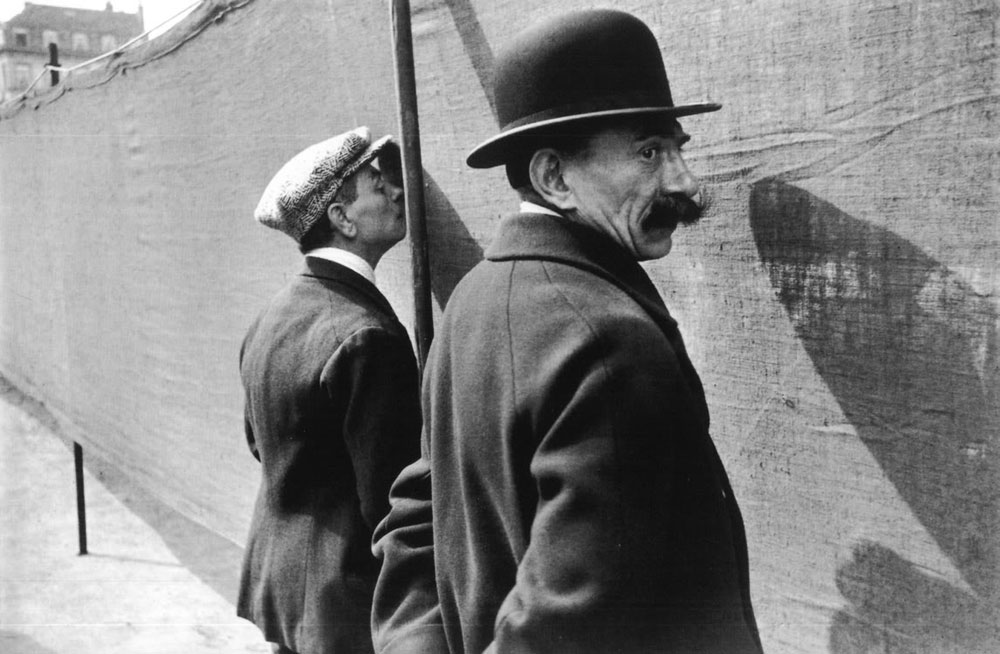
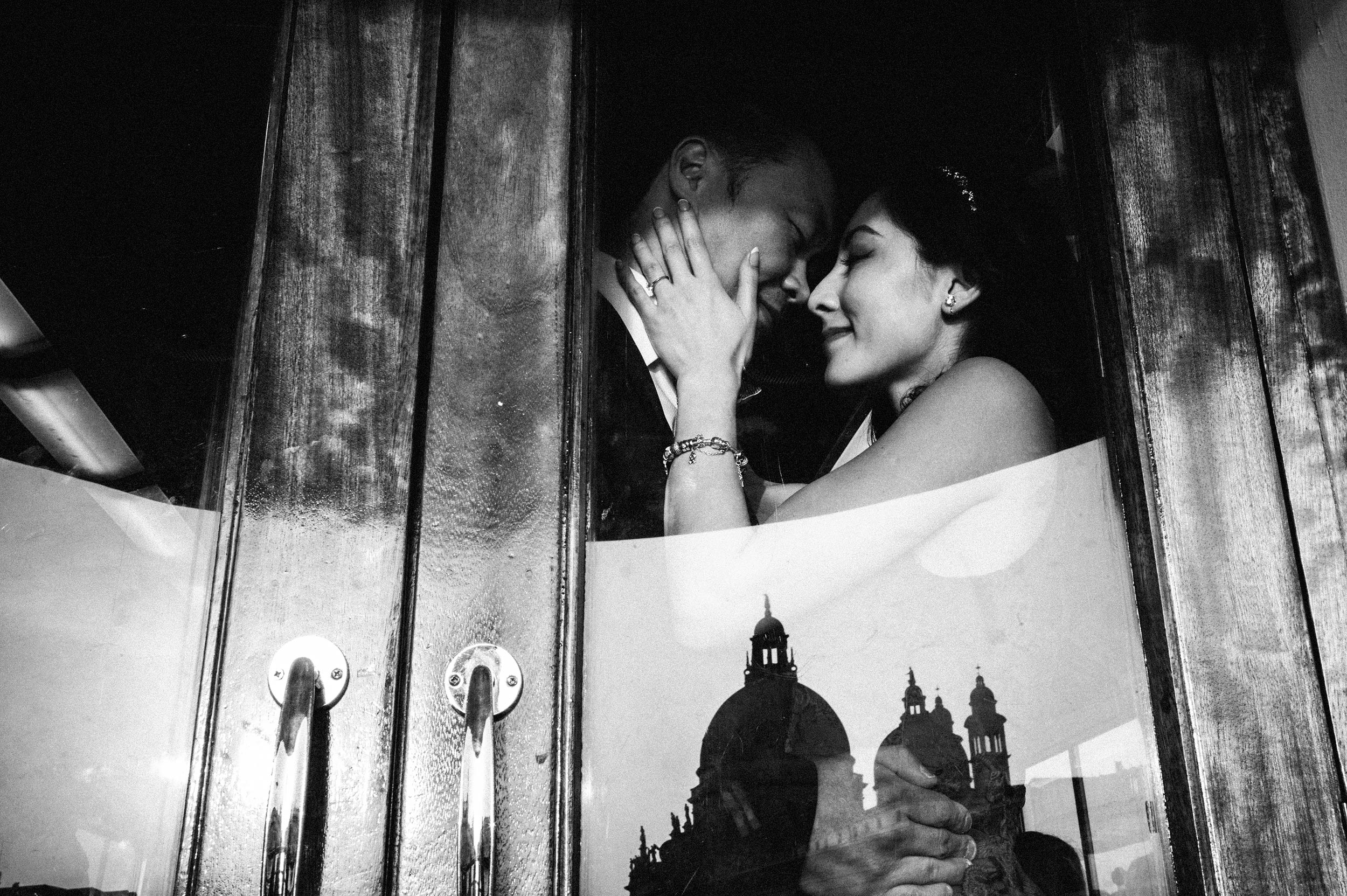
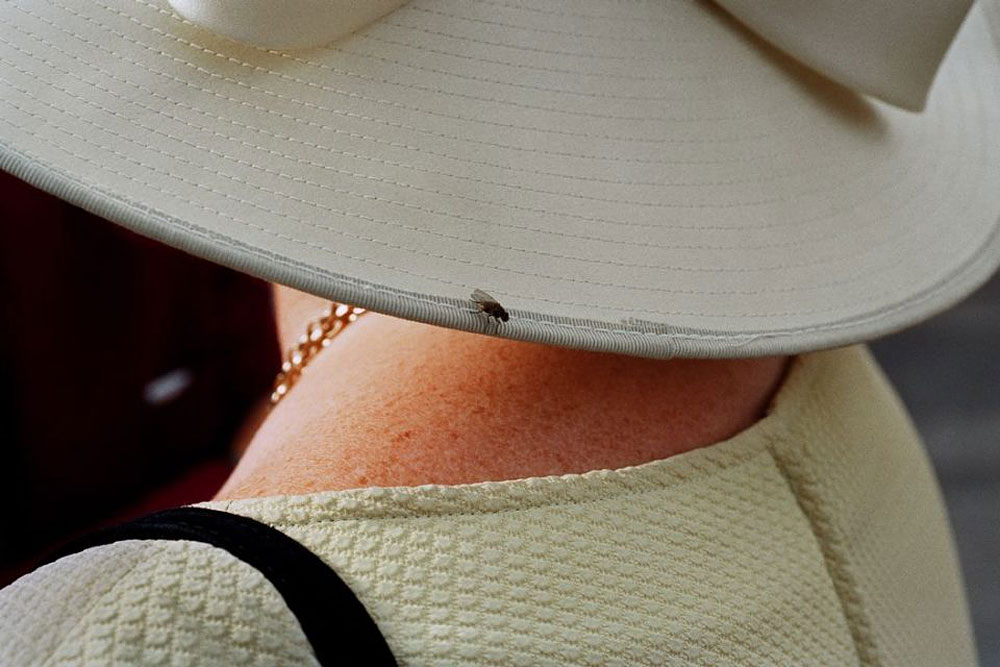
The answer is, probably, in the simulation, scientific, of the chromatic and tonal rendering of film stocks that have made the history of photography. Scientific because based on accurate (empirical, actually performed) profiling of the behavior of various types of film and through different developments of these. You can post-produce simulating the color response that the various dozens of films produced by Kodak, Fujifilm, Agfa, Polaroid would have had. Professionally. With measure and awareness, obviously: if we’re telling an event of a few hours, that takes place in the same place, with the same light conditions, we can hardly “pretend” to have used a million different films within our reportage! If you have knowledge of the properties of the films used and the purposes for which they are indicated, you will use them accordingly, in post-production, in situations where you would have done so in reality. In short, you will hardly use a Velvia 50 or an Ektachrome 64 in an indoor reportage in (little) natural light. Maybe we’ll use Fuji Neopan 1600, Kodak UltraMax and Portra, and so on, leaving it to slides to tell the colors of a sunny day.
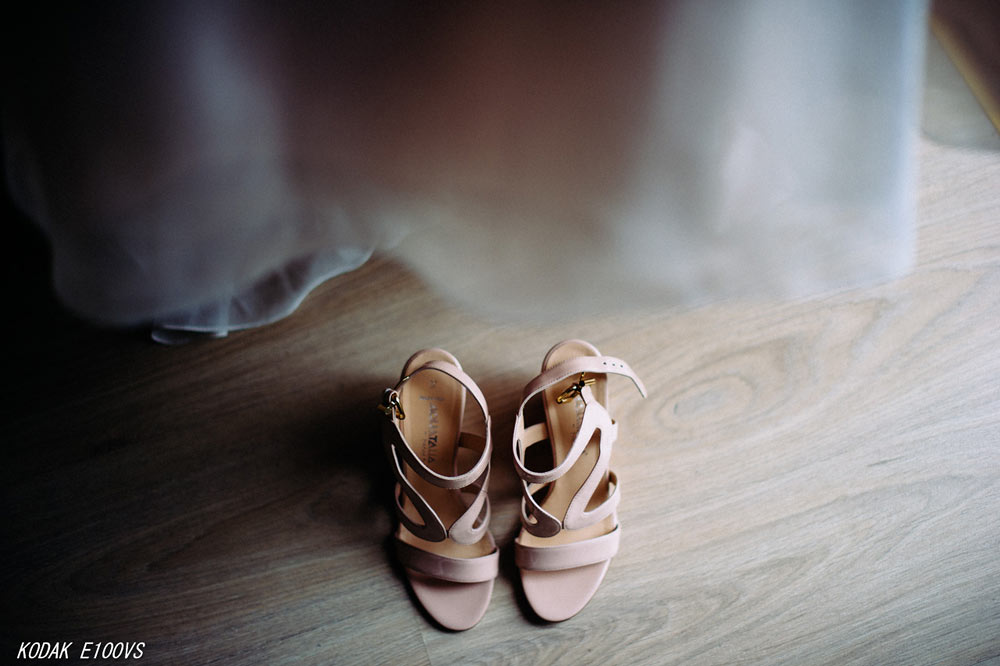
I find that post-producing the story of a wedding through the simulation of historical (but also current) film stocks, if done intelligently, maintaining a “functional” coherence in the application of the type of processing, is a notable added value in artistic terms, but at the same time is something that doesn’t undermine the longevity of the finished product, as film has made the history of photography! Venturing a musical comparison, it’s like composing modern pieces destined for an orchestra: the music will always be played by the same instruments, but the substance will be made of current creativity. The important thing is to have taste, operate congruously, not choose senselessly, use good grammar.
It is therefore with immense pleasure that I have chosen, starting this year, to offer the bride and groom the possibility of having the wedding service processed in post-production based on historical and contemporary film stocks, for even more beautiful reportages and richer in artistic meaning. Long live photography!
For more information on this type of service, I refer you to the post -> Film-Style Development and Post-Processing.