Kitsch in wedding photography: when to dare and when to avoid?
Inelegant details, ugly faces, rude gestures.
Snapshots that, instead of enhancing the subject, ridicule them… sometimes gratuitously.
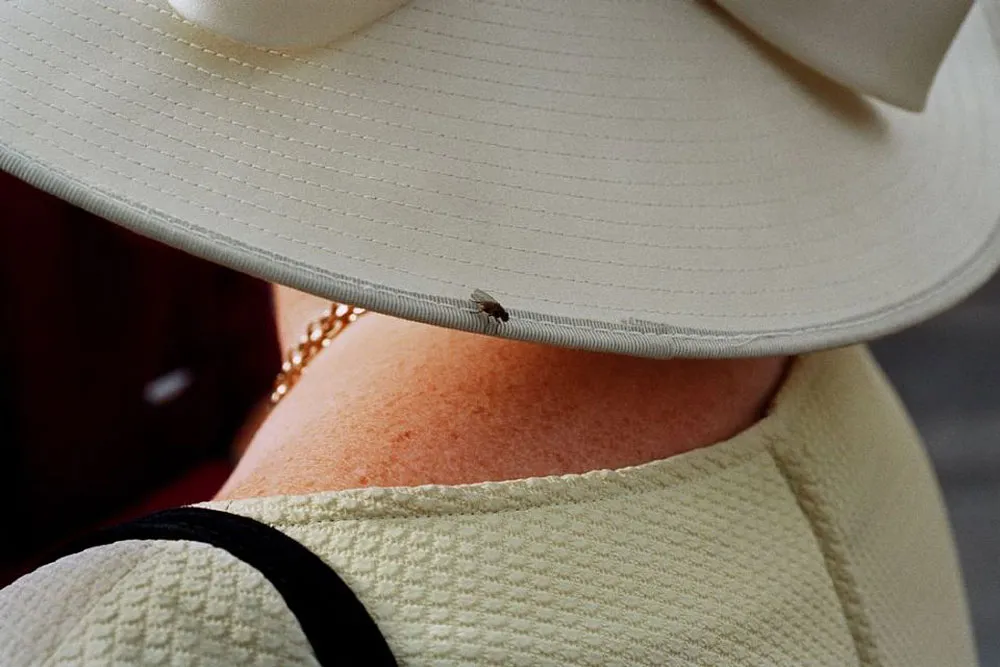
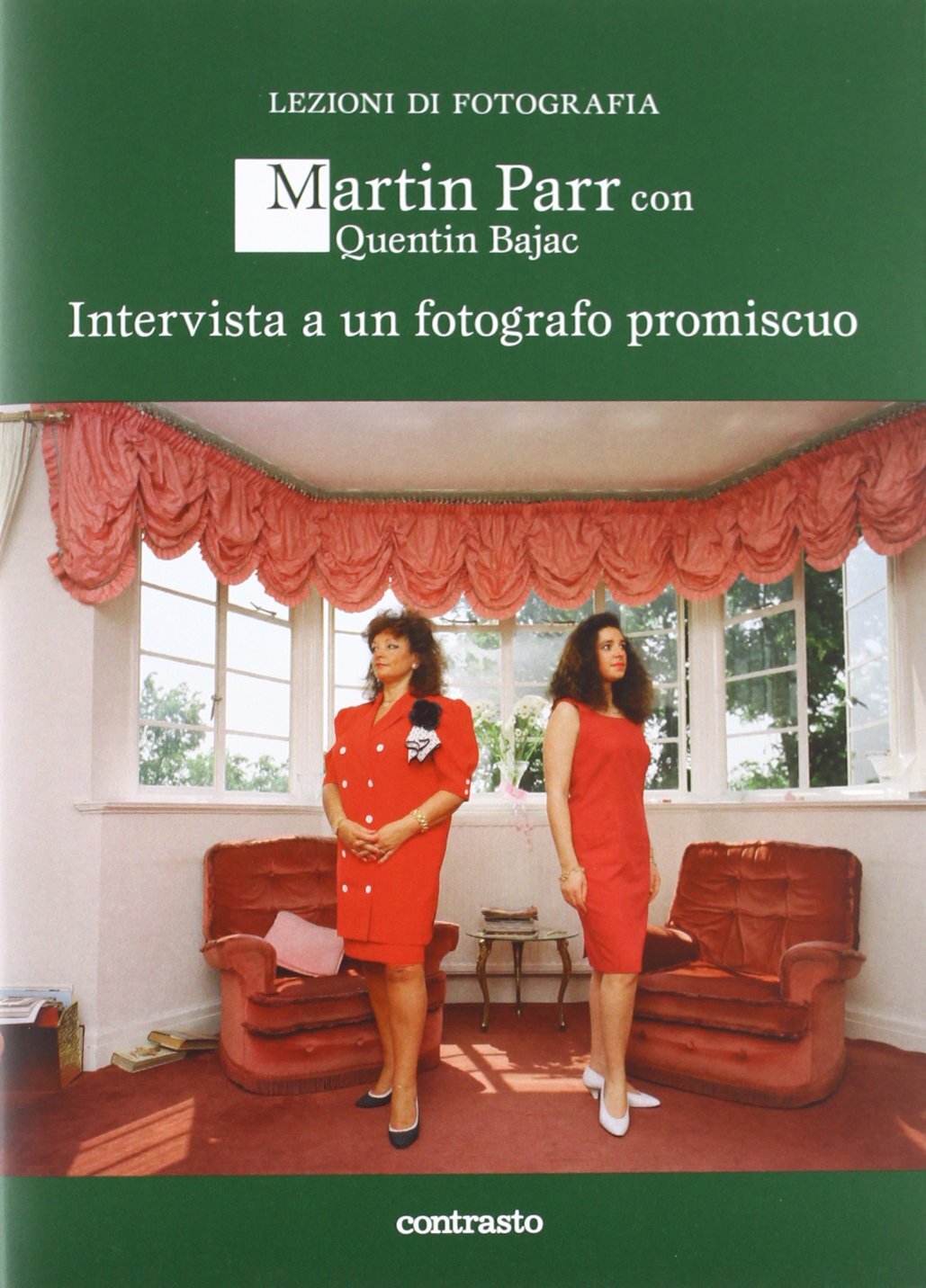
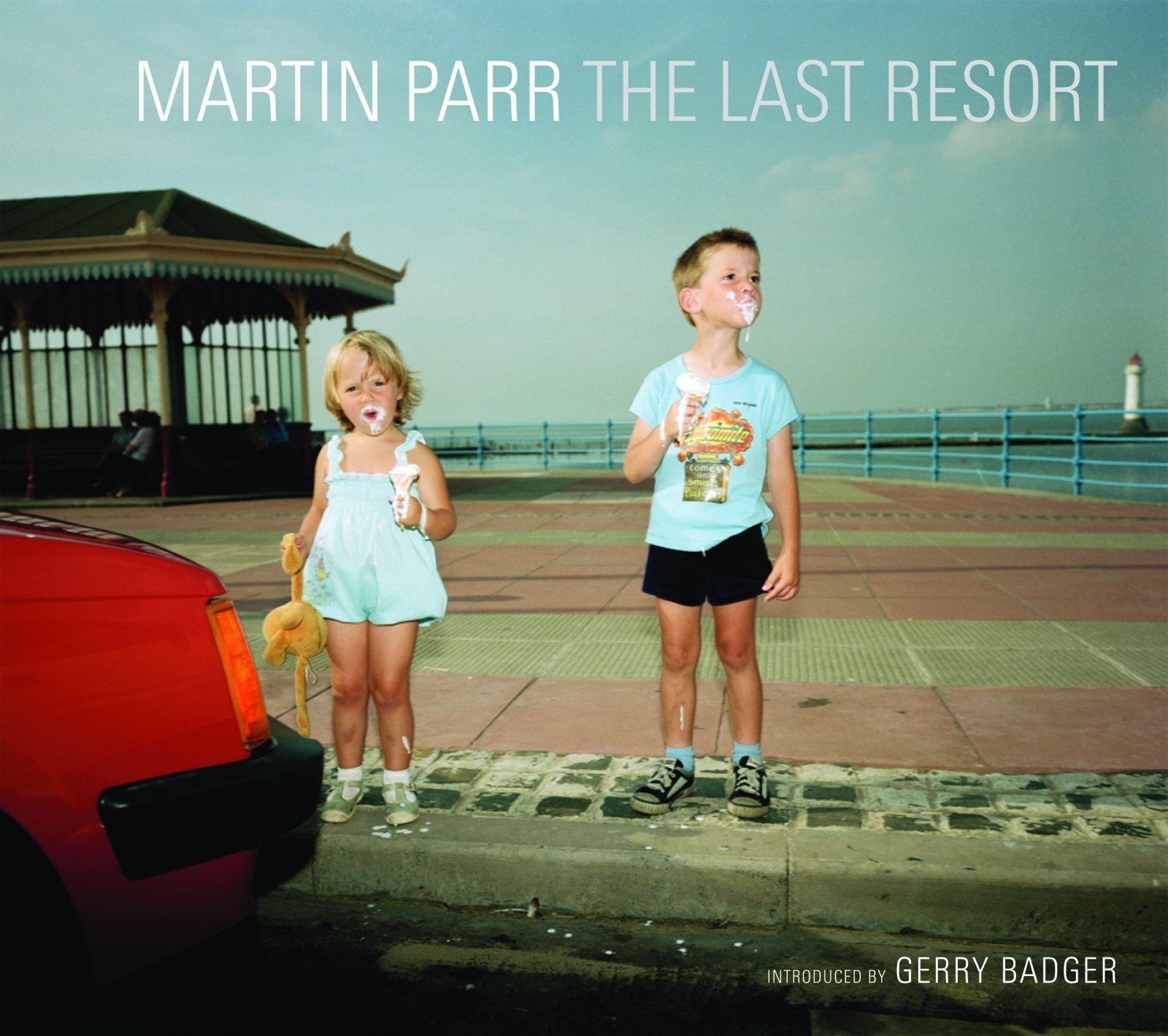
There is a “new school” in wedding photography that imitates Martin Parr… without, unfortunately, having understood anything about Martin Parr. Indeed, when Parr is labeled as the “photographer of kitsch”, it’s an extremely superficial reading. The style is taken (when one manages to) and the substance is left behind: that profound investigation of society that only his genius could carry out and that few fortunate enlightened people, at the time (we’re talking about the ’80s), knew how to appreciate, even well outside his country of origin, determining his success and a remarkable career.
Who could be so foolish as to think that the career of one of the most prolific contributors (also economically) to the Magnum agency was determined solely by the fact of photographing kitsch? “Knock knock… Magnum? I photograph ugly people, can I come in?”. Simply absurd.
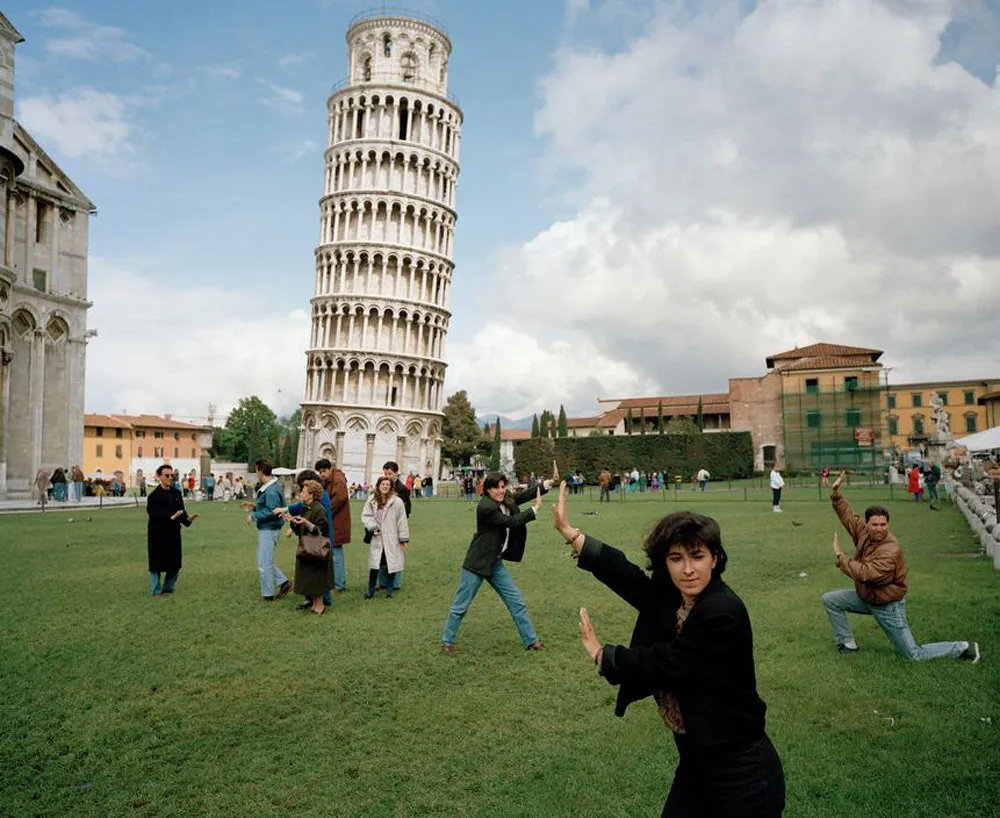
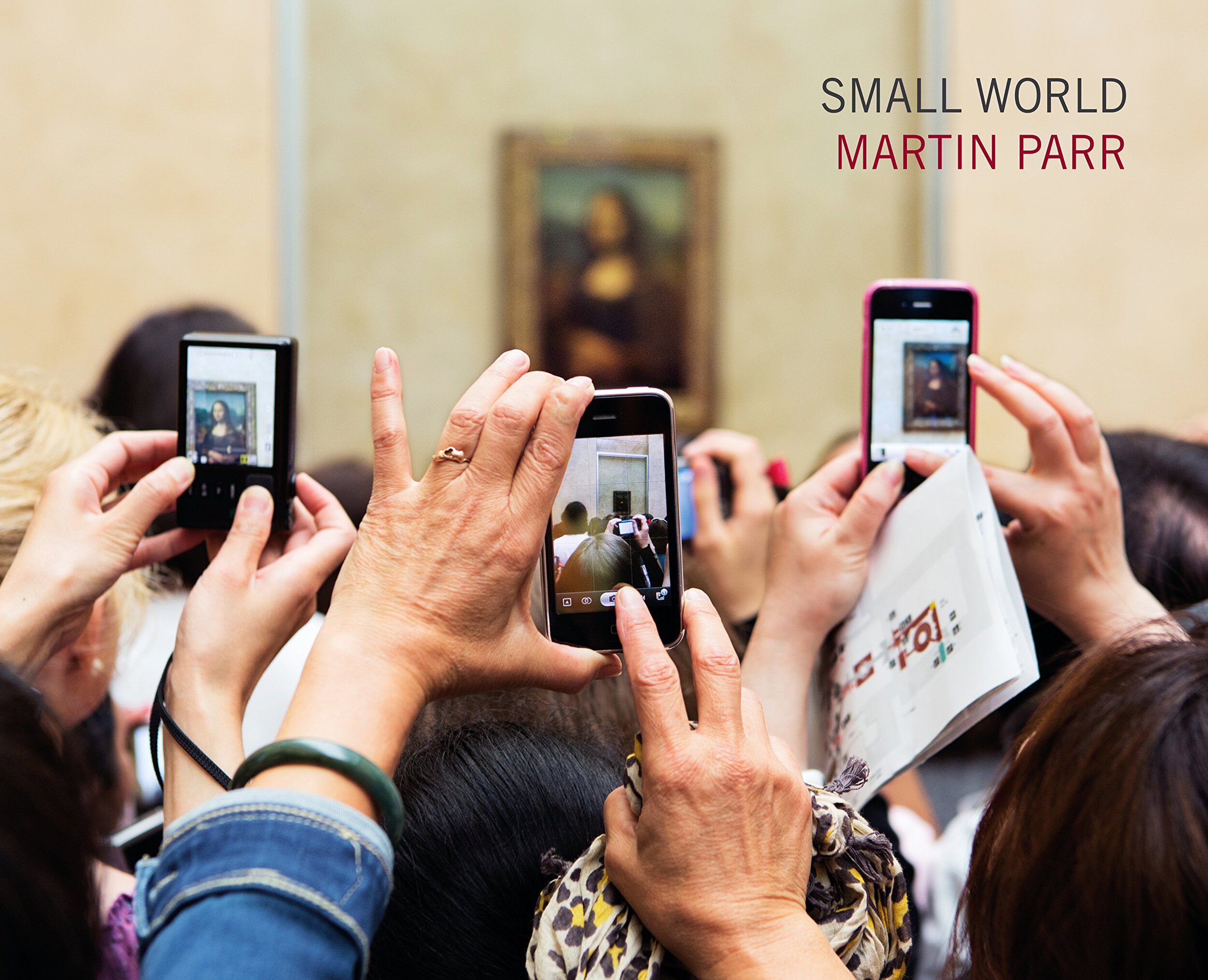
The universe of themes that throughout history have attracted Parr’s attention, starting from his black and white of Bad Weather, ending with food, passing through the working class, the middle class, tourism and much more, stemmed from the desire to snoop, to investigate the “untold” of everyday society, with all its contrasts. “I went to look everywhere, from amusement parks, to supermarkets, to food. I believe there is an entire mine of themes still to be explored.”
Martin Parr is a documentary photographer.
Kitsch is only an accessory consequence, not always necessary. Inevitable, perhaps, when doing research work on clichés, an investigation on stereotypes, or even when “the focal point of my research always remains the gap between the mythology of the place and its reality”. He says a magic word: research.
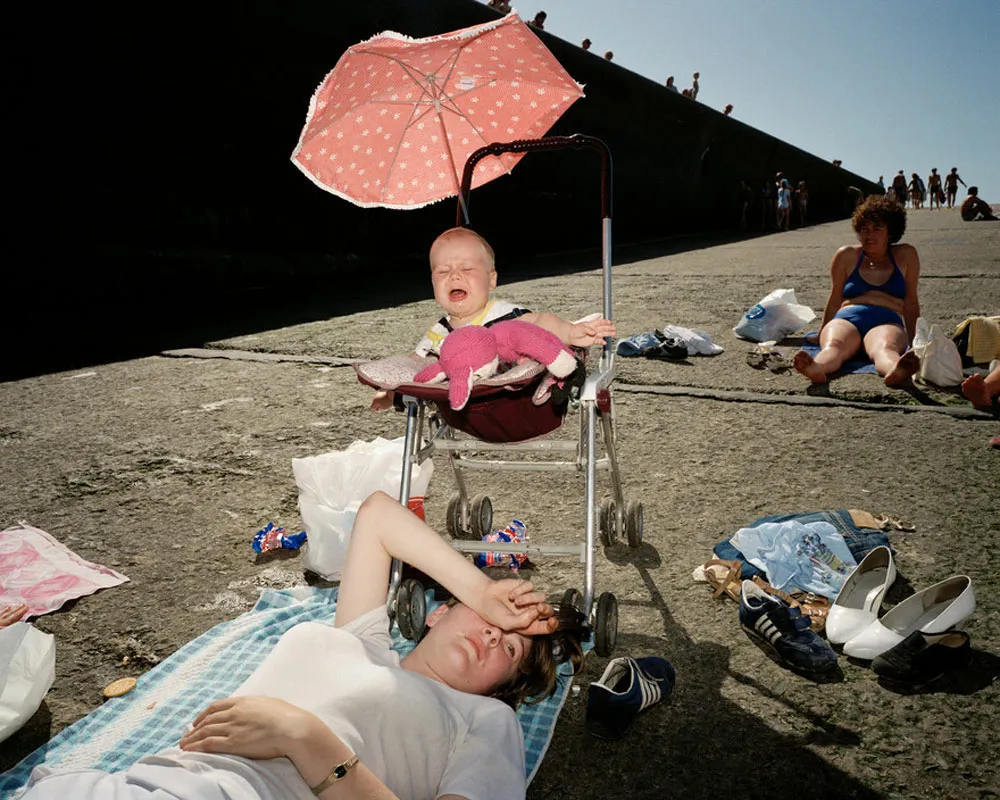
It’s evident that there is irony in his works, but it is (not only) functional to the work’s appeal, it’s a matter of opportunity for fruition. The irony arrives immediately, but there’s something else behind it. In the same way, the ambivalence of his works between document and art makes them works with a very wide audience. The aesthetic force, capable of decorating an art gallery, is a pass to the content, to the document, to the story. There is always this multiplicity of levels of reading in his photos, and this is what has determined his success.
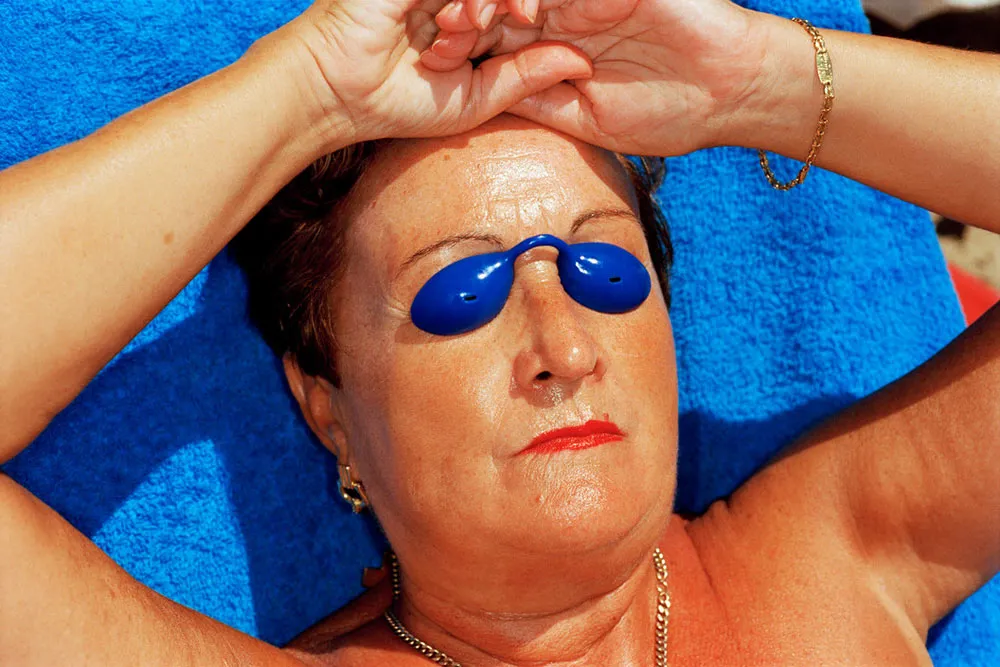
Often, unfortunately, we see imitation attempts that disregard content, the message. A flash is fired in the face of an ugliness and this is enough to make a photo “à la Martin Parr”. It’s not like that. Like when one tries to portray kitsch at all costs. These are just ugly details without substance, frequently devoid even of irony. Shots that no one would want in their wedding album and that, on the contrary, make you think: “but what’s in this photographer’s head? Bah, photographers are strange…” This is because the second level of reading is missing (the content, the denunciation), and often even the first (a marked irony or a gallery-art aesthetic). Better to avoid even proposing them, certain photographs.
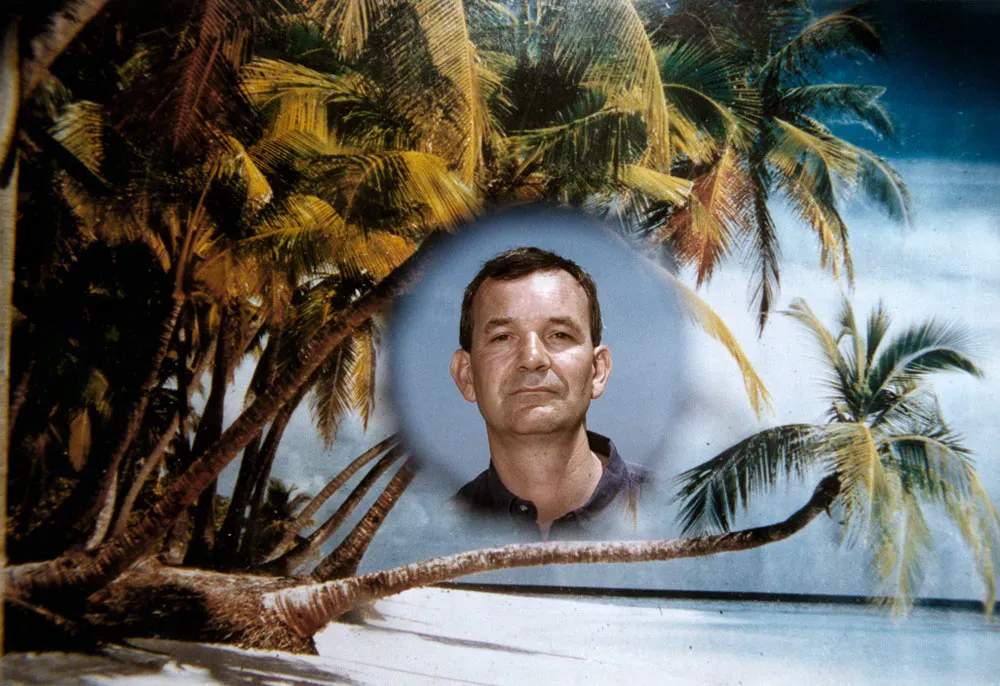
A desecrating drift.
The synthesis of my thought, critical of this desecrating drift of wedding photography is: it’s fine to deconstruct, as long as the thing makes sense, has a purpose, which can also be internal to the single photograph. It’s an invitation to reflect on why certain shots are sought, or why one chooses to show them: what do you want to tell me with the photo of a guest in inelegant attitudes? If there is no denunciation of something “behind”, that is, the second level of reading, is the photo’s aesthetics or the subject’s behavior strong enough to justify its exposure? Or is it just an inelegant photo? The risk is precisely this: trivializing the work of a great photographer, ridiculing one’s own.
A few days ago I was chatting, I don’t remember with whom, about this drift and the “fashion” that is starting to follow it: a host of imitators without a project. The amusing conclusion we reached is that, on one hand, the imitation of beauty, even if it fails, can approach beauty… the imitation of ugliness, when it fails, is truly ugly!