A history of wedding photojournalism.
Can we mix such different photographic genres?
Street photography
Sooner or later in your life, you will hear about street photography.
Without going on too long, let’s try, for those who don’t know the genre or have a confused idea of it, to list some of its characteristic traits. Those that, at least according to contemporary school of thought, characterize “good” street: the one from dedicated festivals, the one that wins contests and gets exhibited, the one that recalls the history of photography shot on the streets since the early decades of the last century. A difficult task to put into words… surely some illustrious examples will help us.
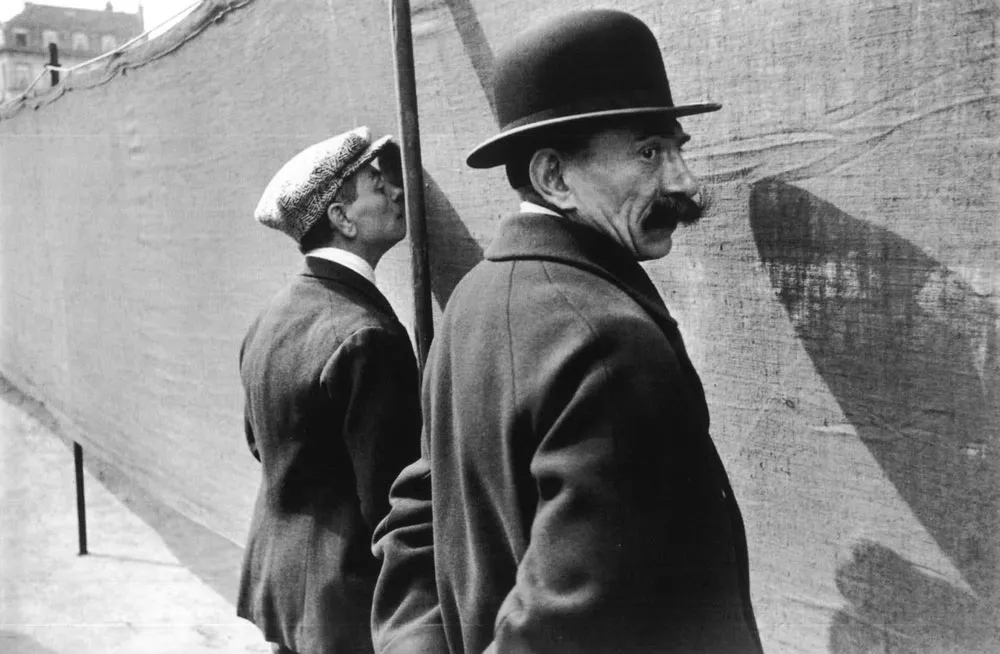
The praise of chance.
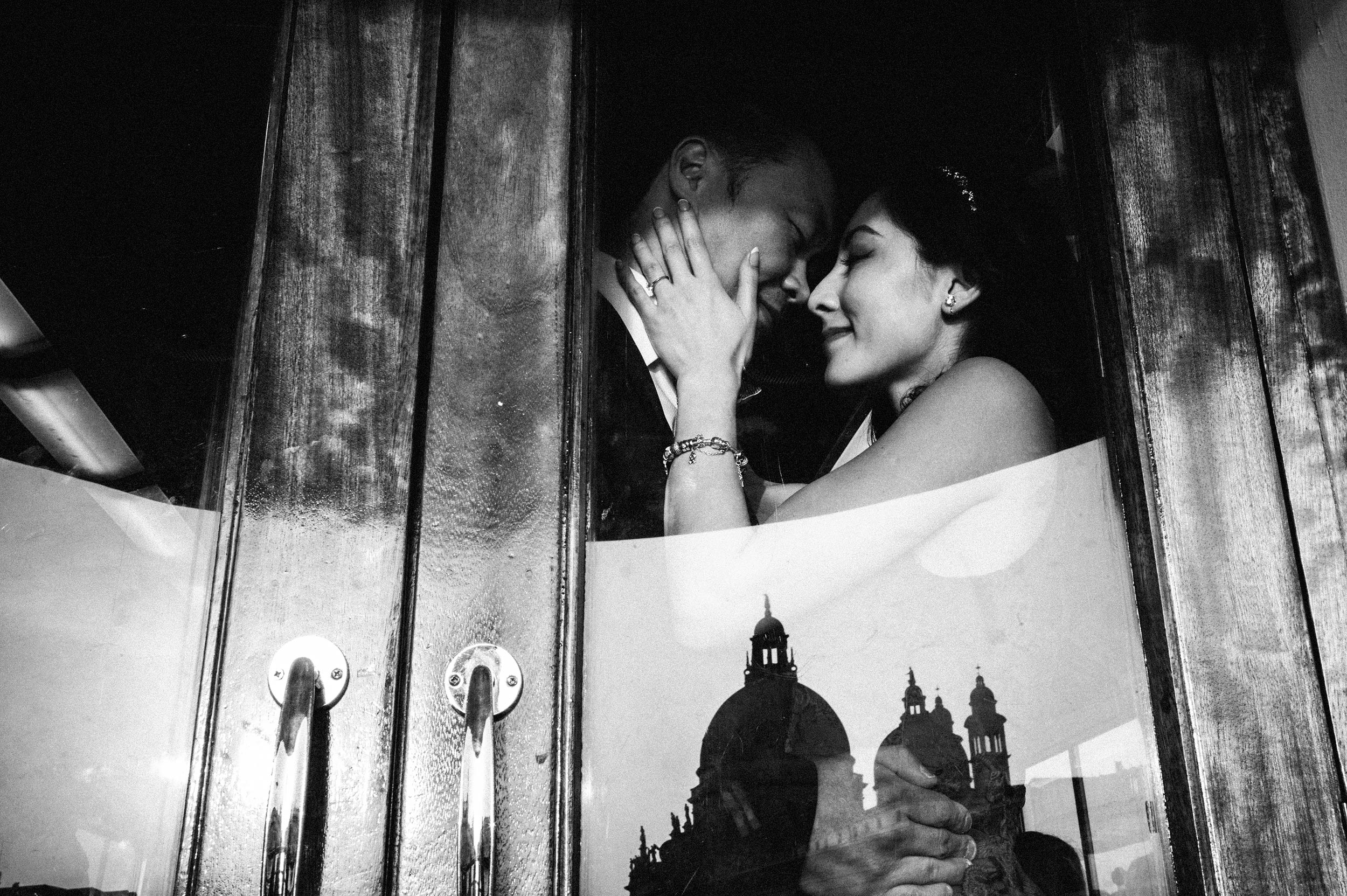
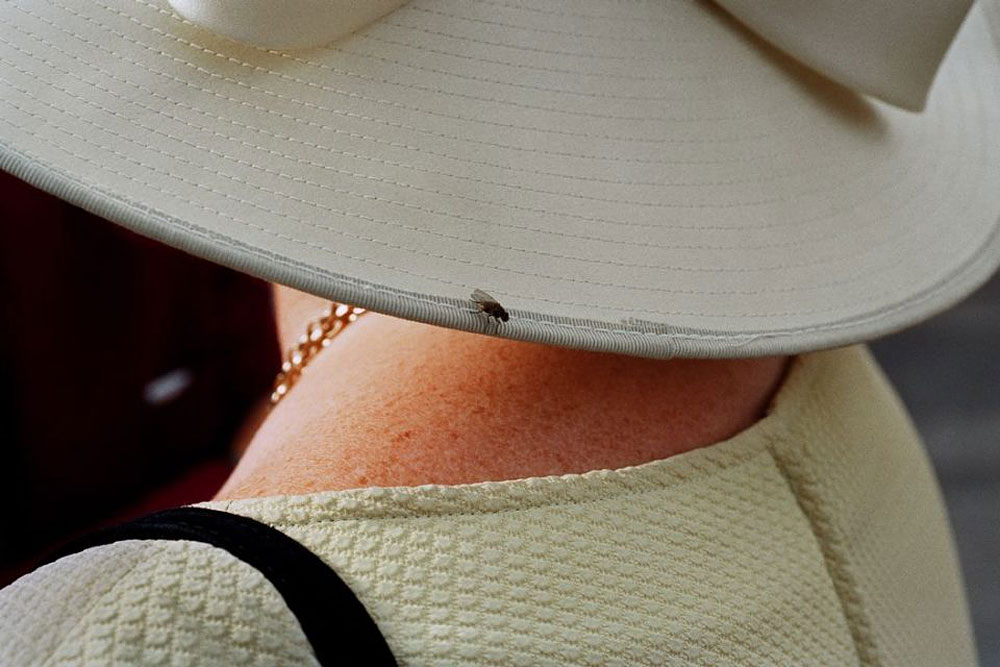
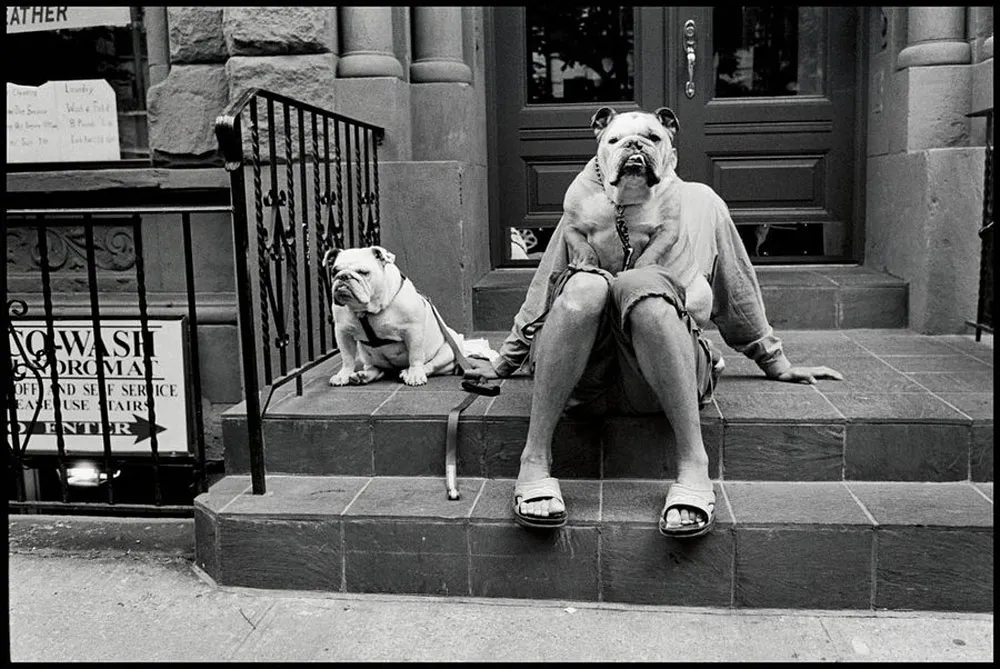
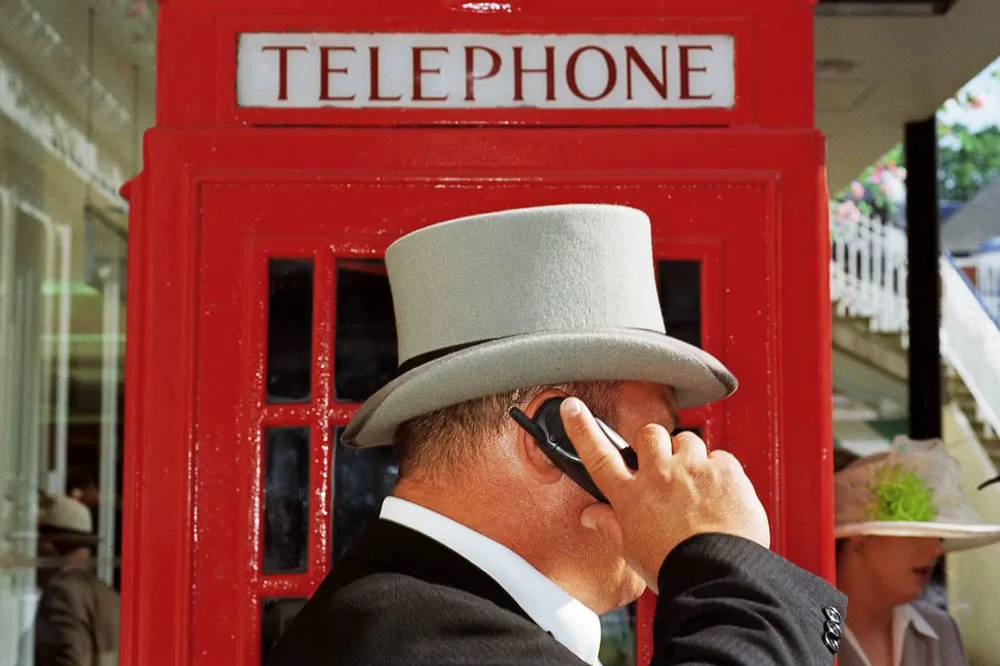
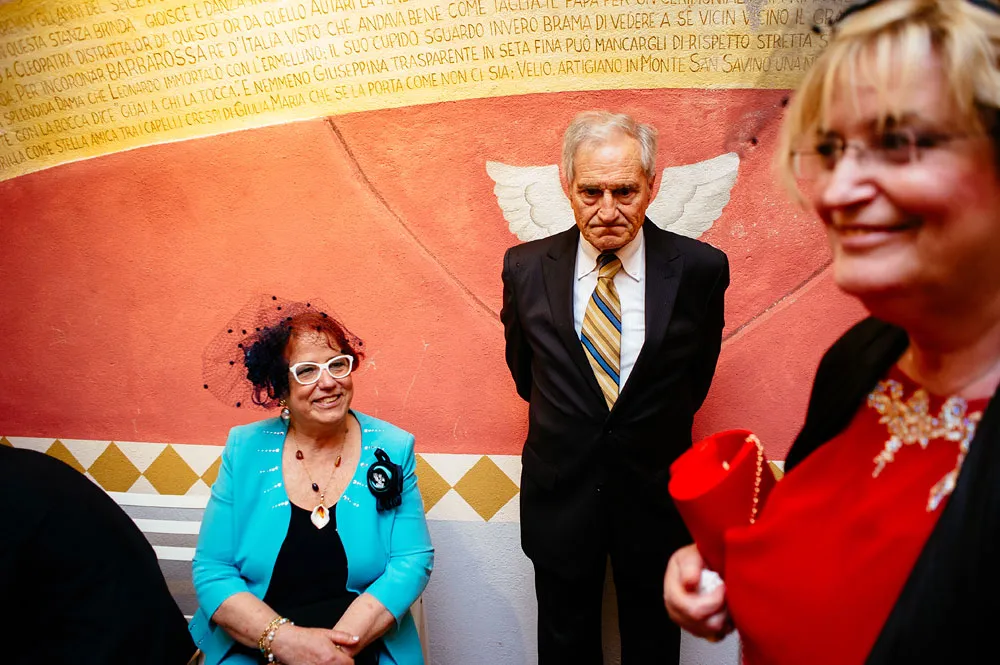
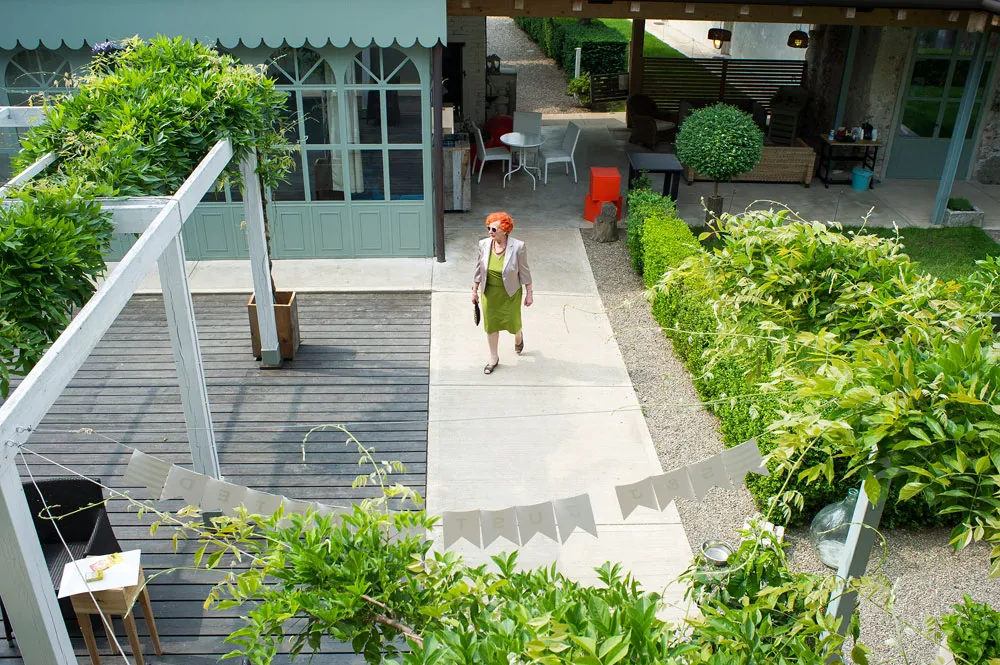
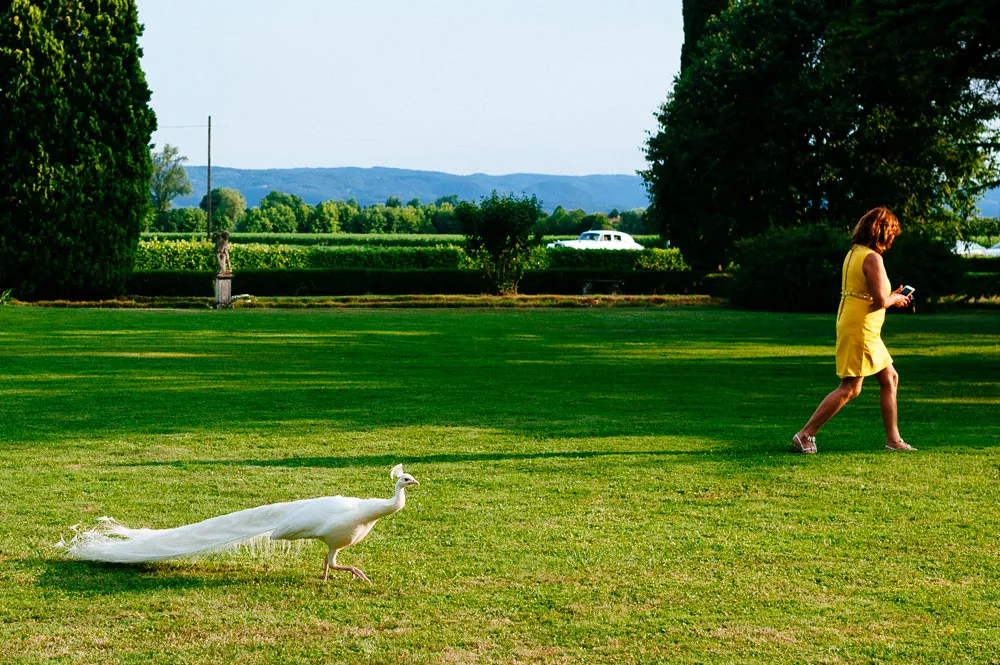
Good street, like good reportage, is first and foremost stolen photography. In other words: spontaneous photography, not posed, not constructed at the drawing board. In good street photography there are no actors, models or passersby who are asked to do something, rather good street feeds on the richness of chance. It often portrays rare or curious situations, uses the subjects’ actions to reveal their personality or a characteristic psychological trait, or to denounce a widespread reality of which that character becomes an example. Other times it exploits the geometry of composition to arouse irony, sympathy or paradox.
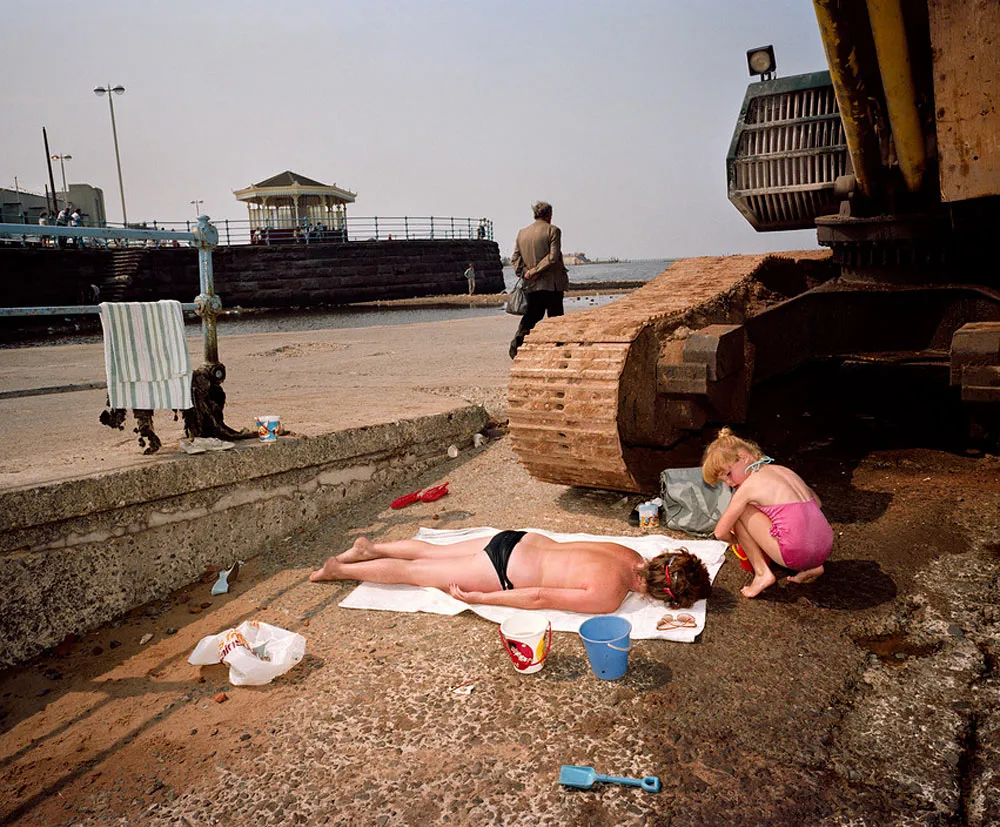
RECOMMENDED READINGS:
L’Immaginario dal Vero
Henri Cartier-Bresson
Here And Now
Clement Cheroux
Vedere è tutto. Interviste e conversazioni (1951-1998)
Henri Cartier-Bresson
RECOMMENDED READINGS:
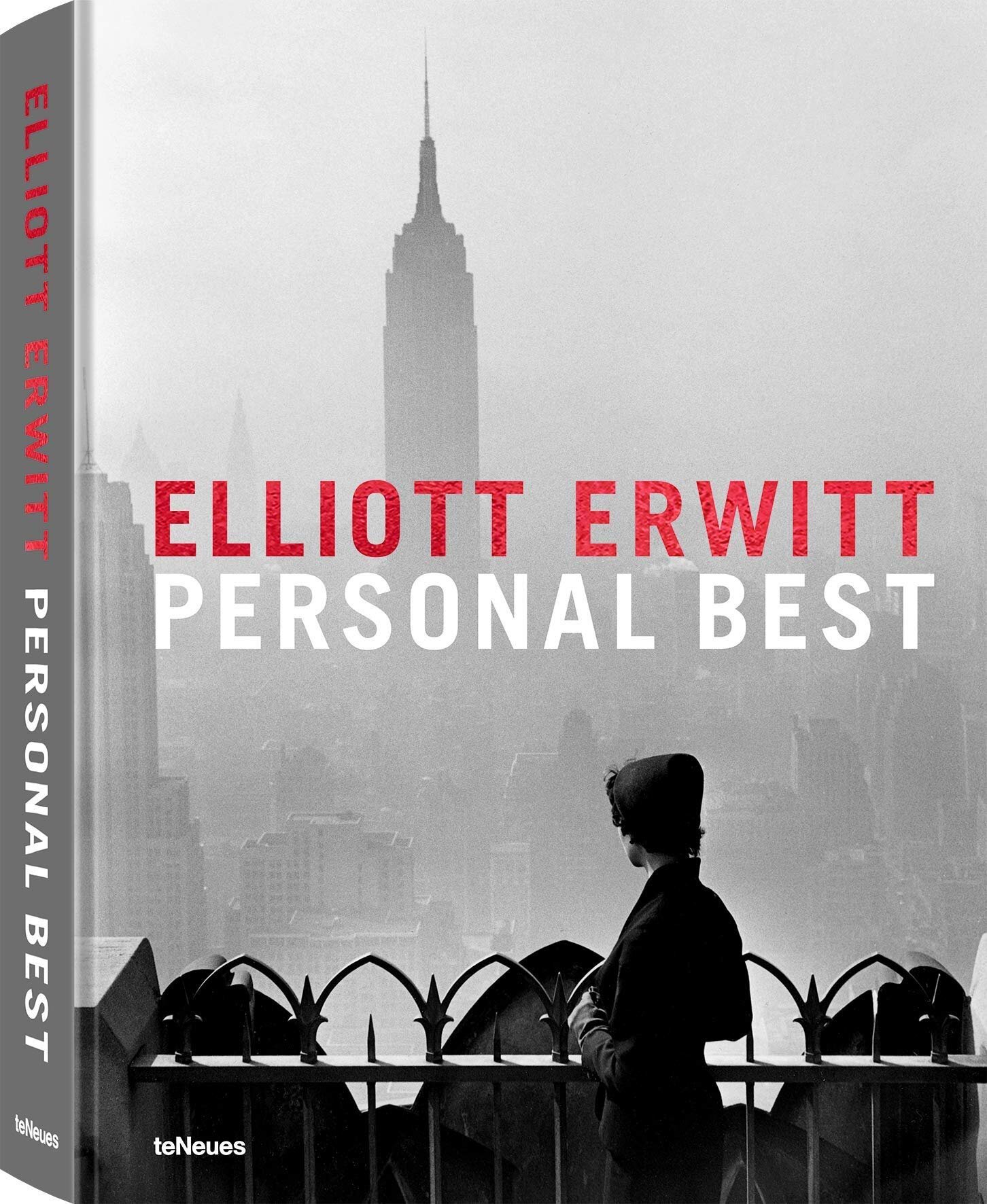
Personal Best
Elliott Erwitt
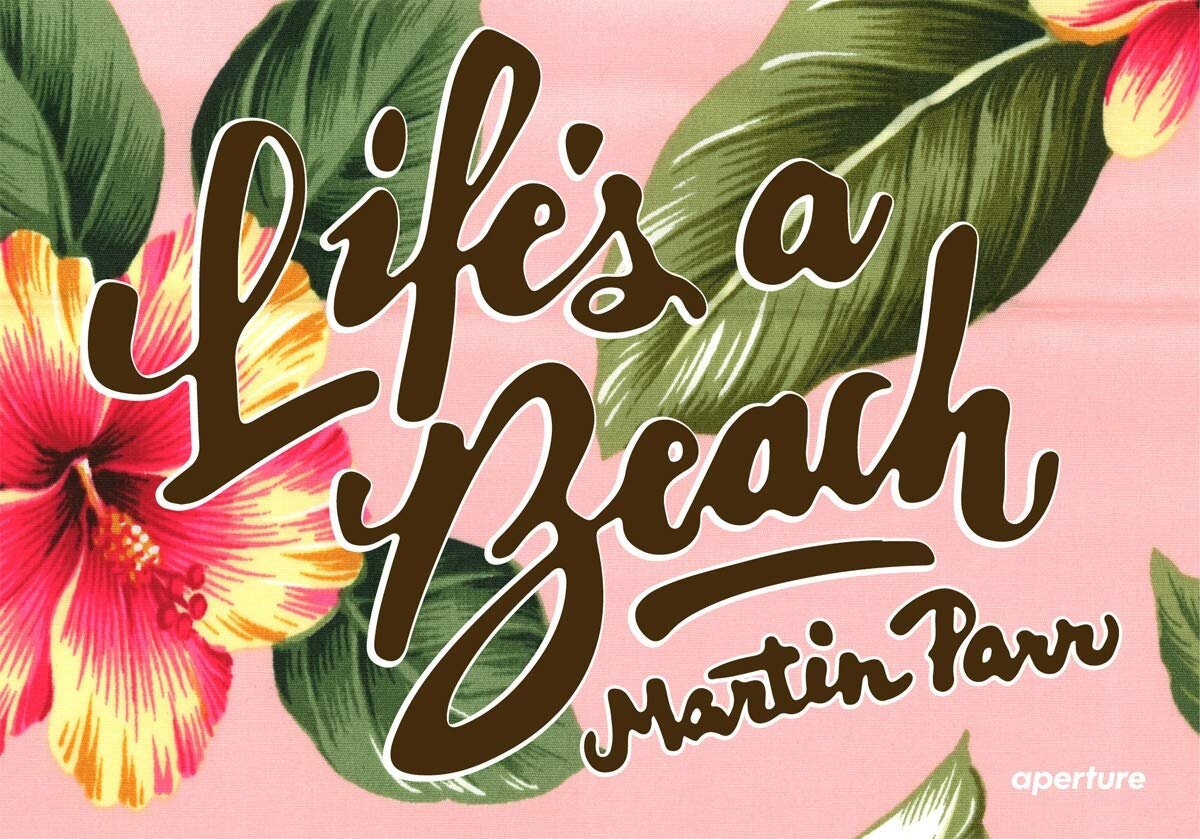
Life’s a Beach
Martin Parr
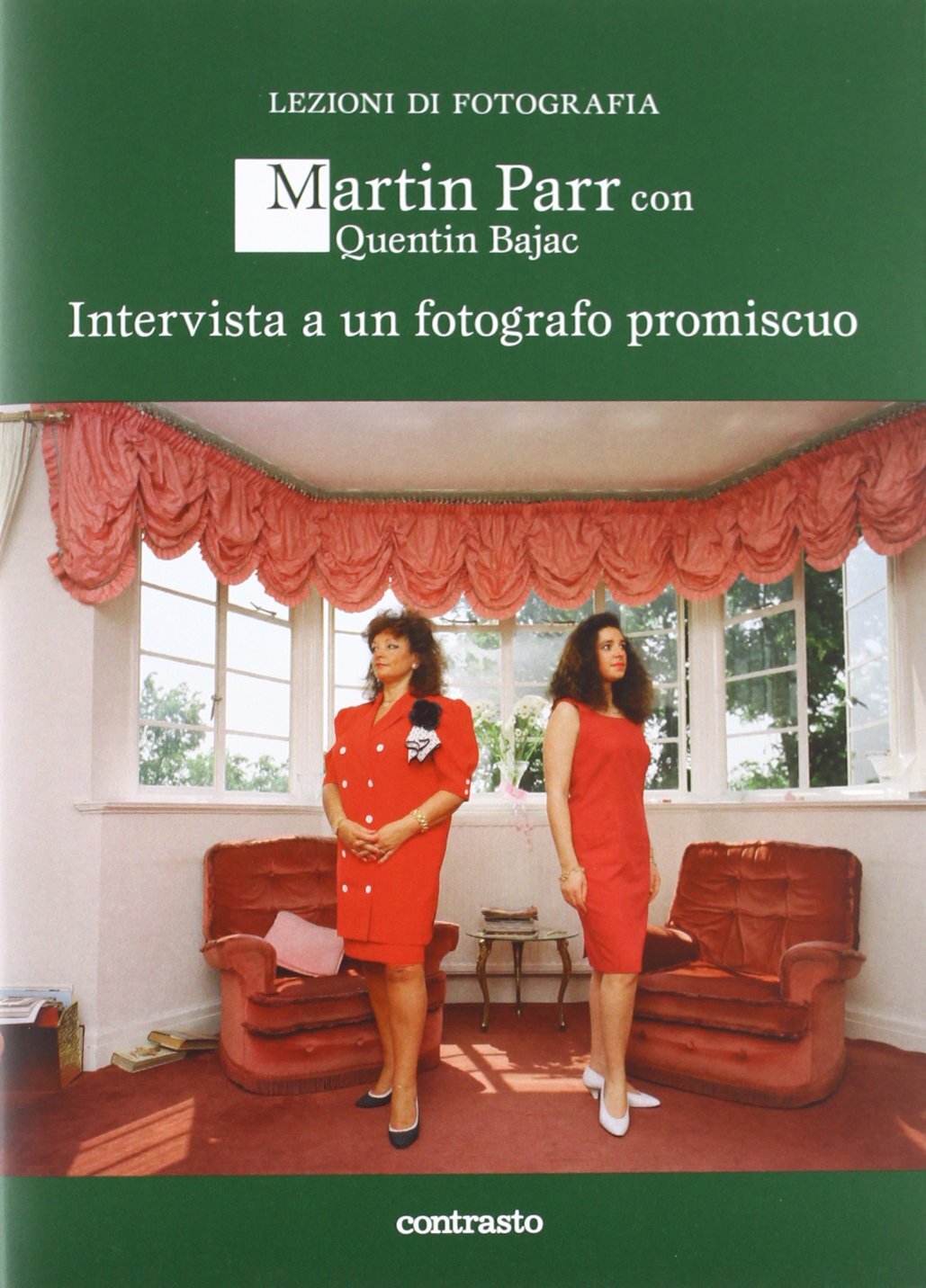
Intervista a un fotografo promiscuo
Martin Parr, Quentin Bajac
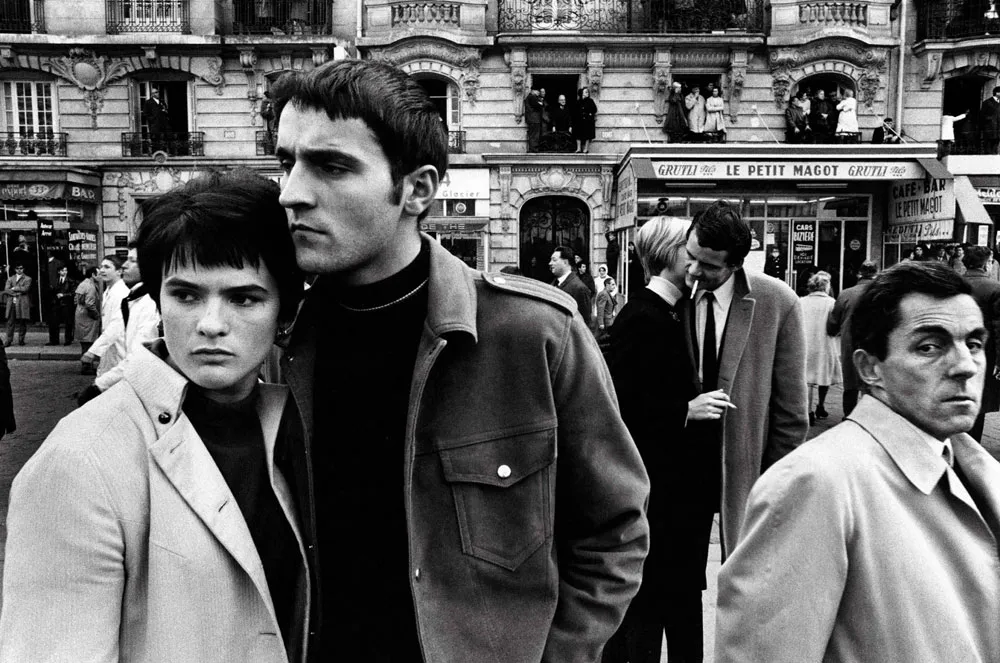
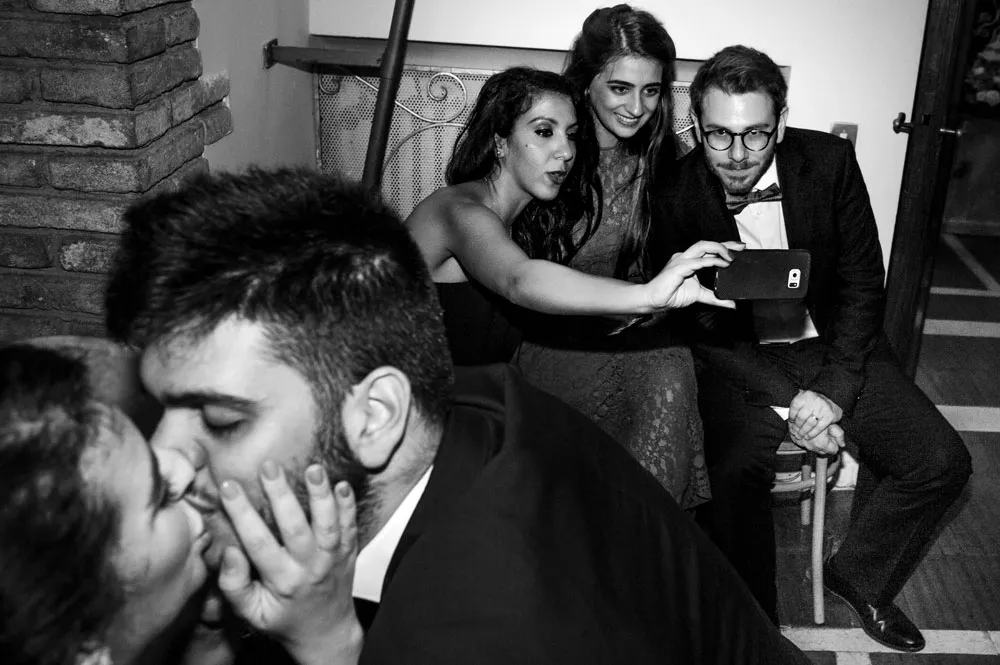
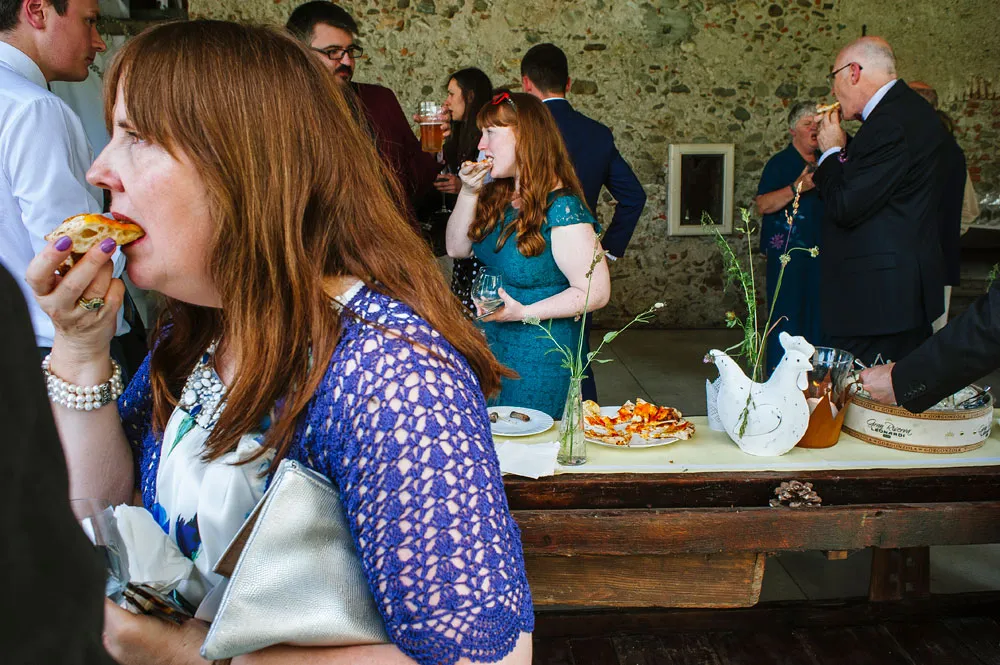
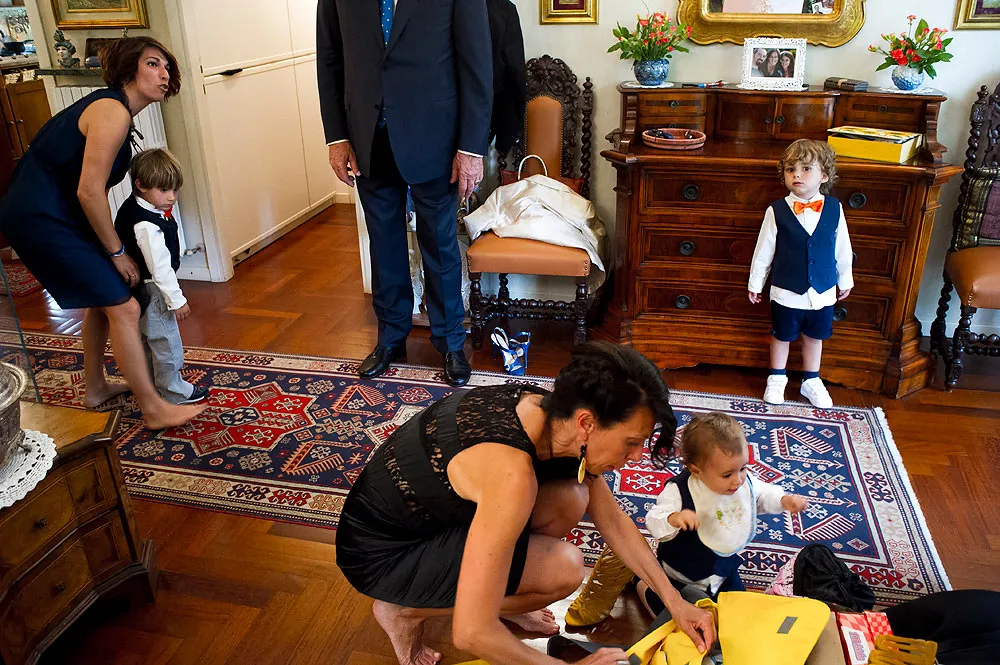
Sometimes it is precisely the complexity of the scene, the multiplicity of subjects and the author’s mastery in synchronizing their actions and presence in a perfect composition, that makes a photograph “good” (meaning damn special).
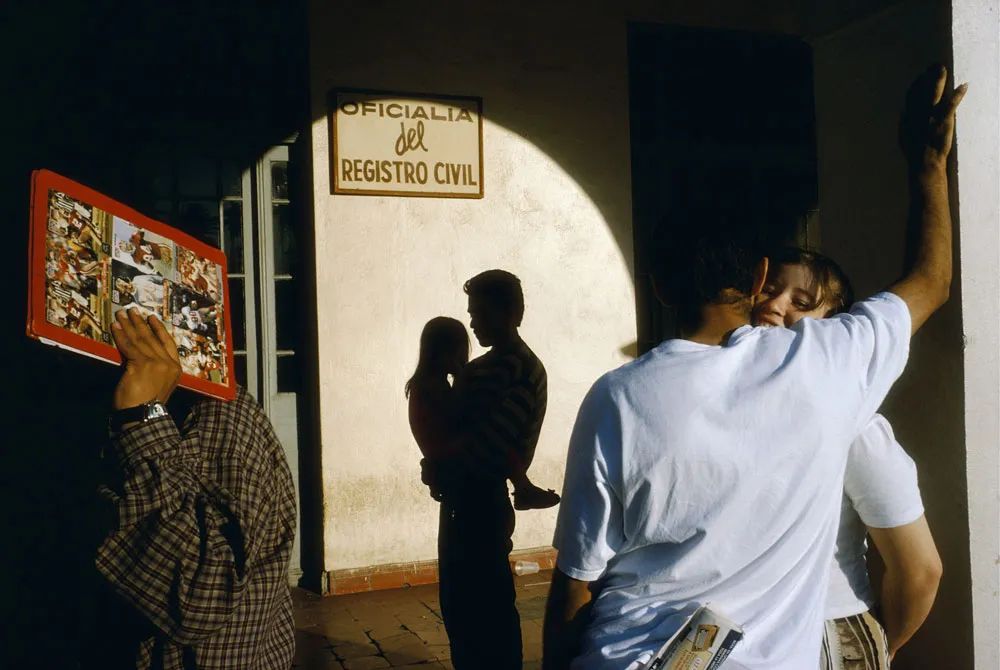
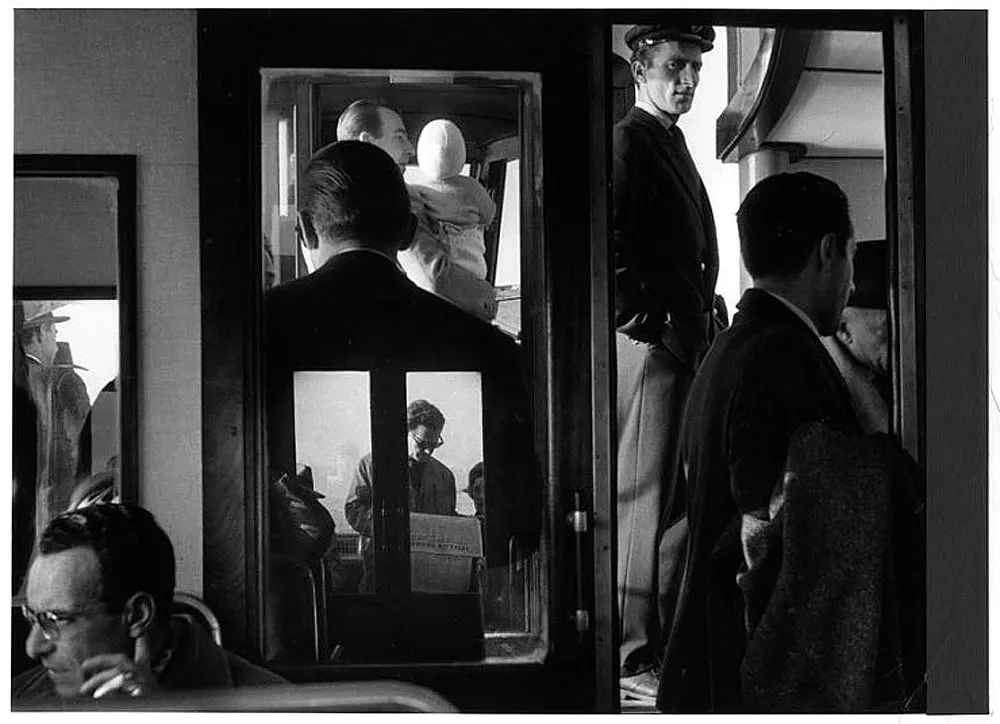
It happens, in many of these cases, that the photo manages to make the observer’s gaze take a real journey, often circular, repeated and actively curious.
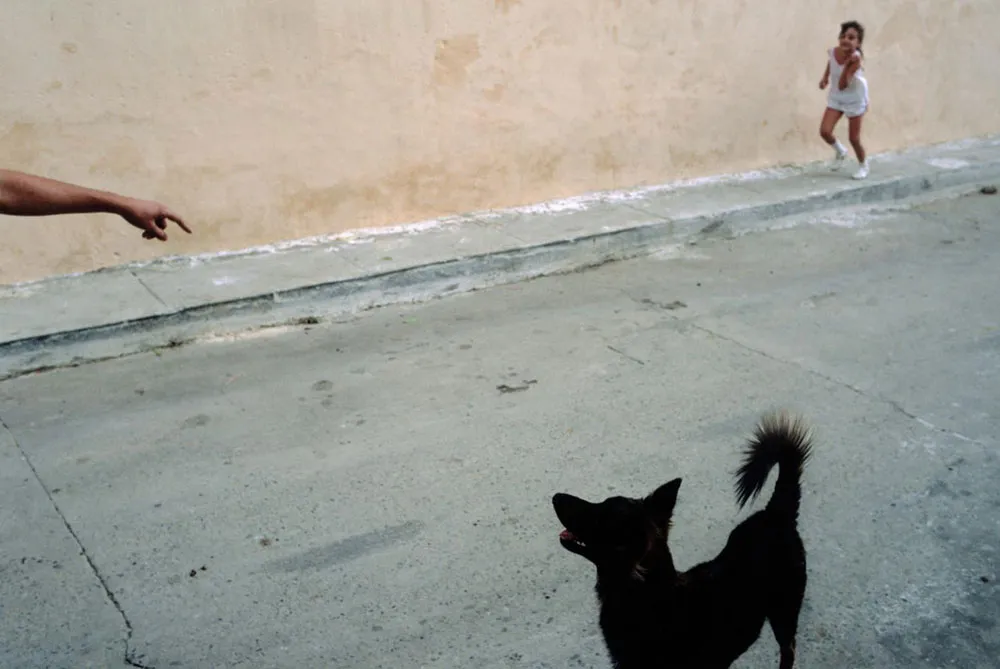
Although the human subject is often the protagonist of street photography, it is not always necessary, it is not a “conditio sine qua non”. Sometimes what stimulates the gaze is a combination of purely geometric details.
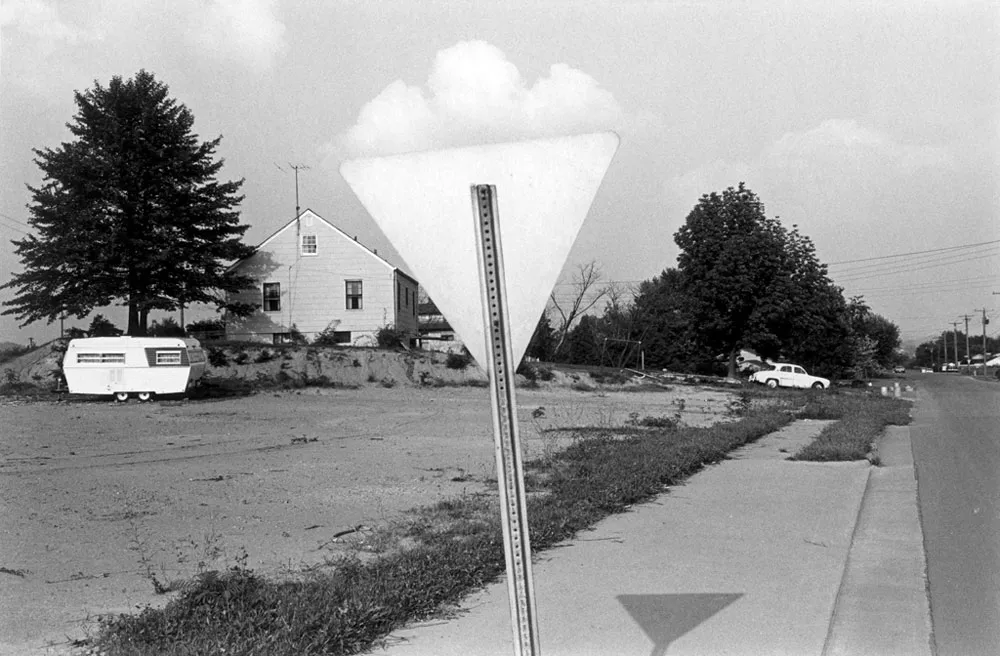
How many of you, while walking, would have noticed the cloud acting as a hat for the road sign?
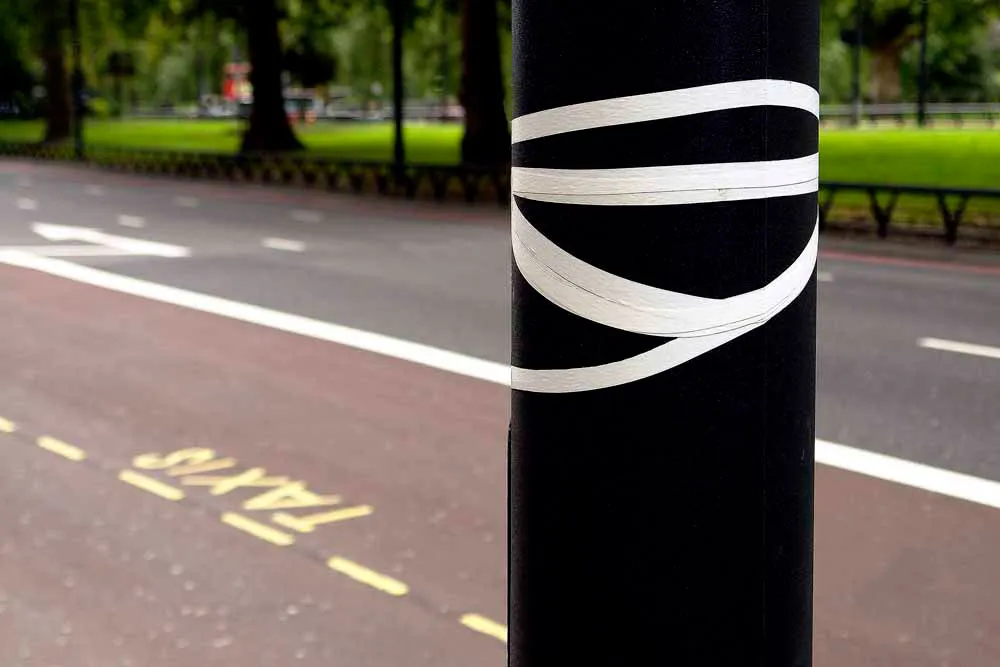
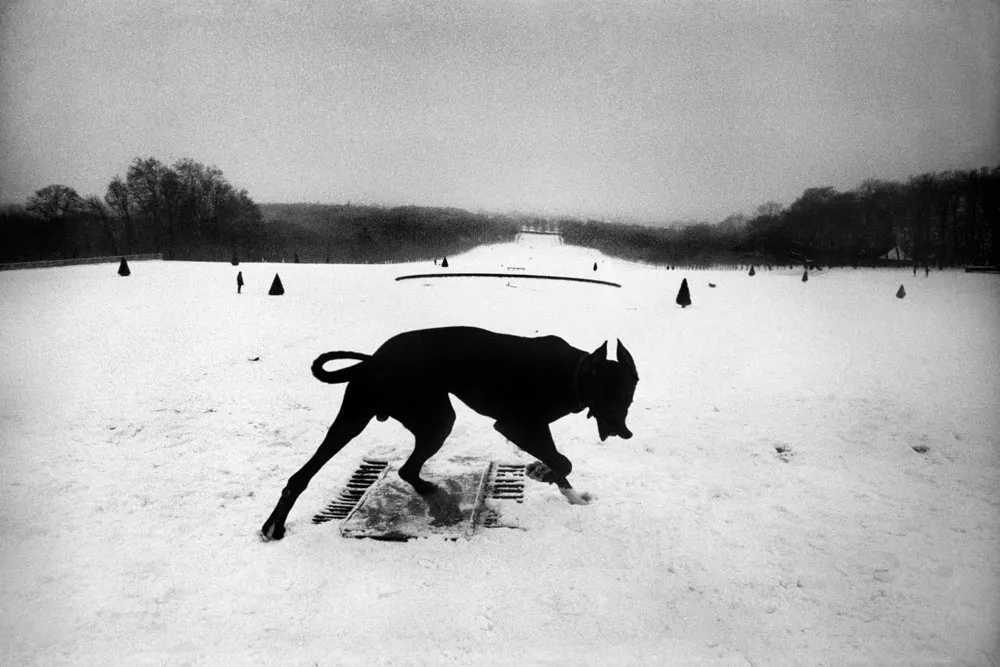
Complicity or surprise?
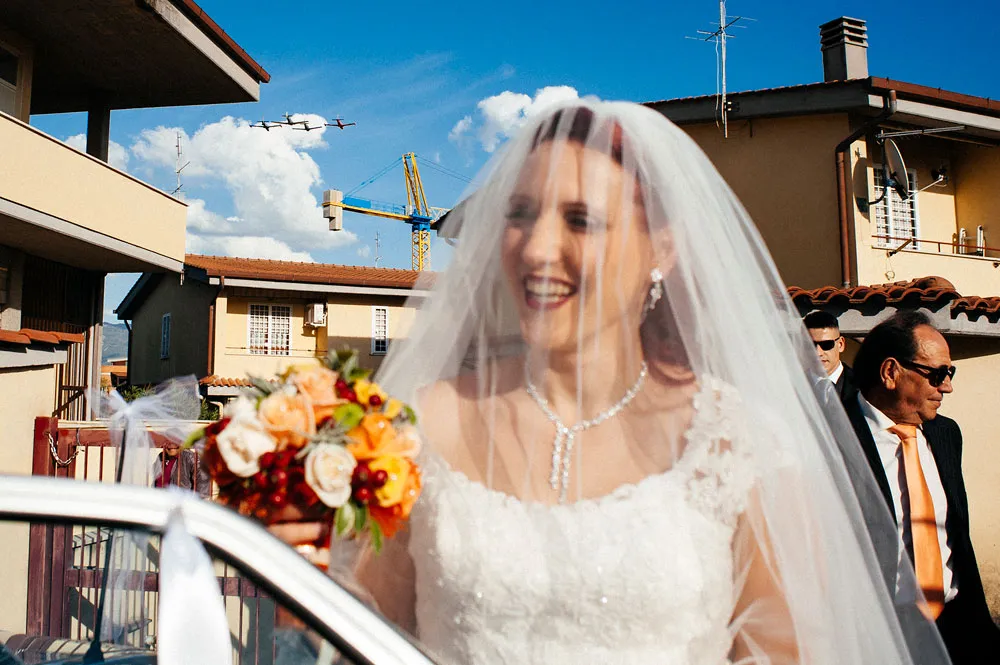
The success of a street photo, which we said has spontaneity as a requirement, can even disregard the subject’s unawareness of being photographed. No strict rule forbids a subject from “noticing” the photographer. In street photography, however, it’s not about complicity, but about surprise. A look into the camera can strengthen the work, contrast with other unaware subjects and “pierce” that veil that separates the viewer from the scene, conferring three-dimensionality, interactivity and “dialogue” to the photograph.
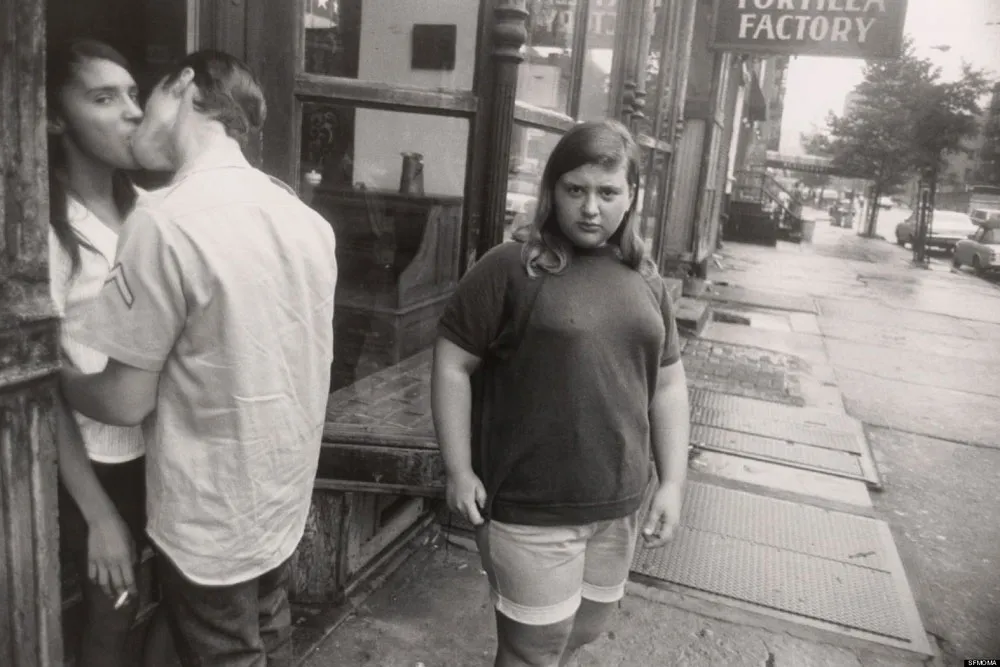
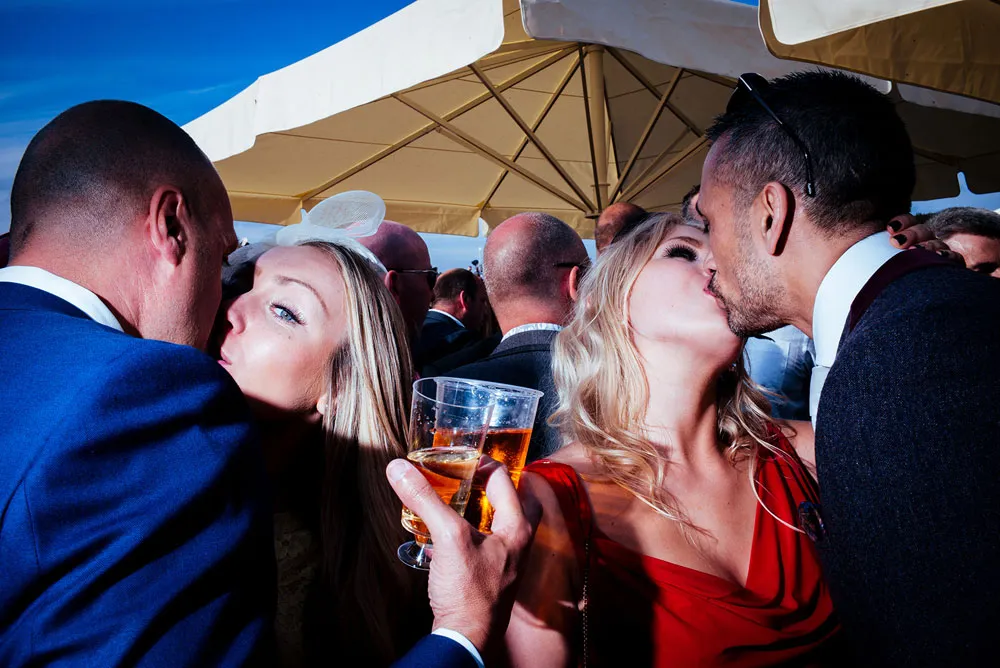
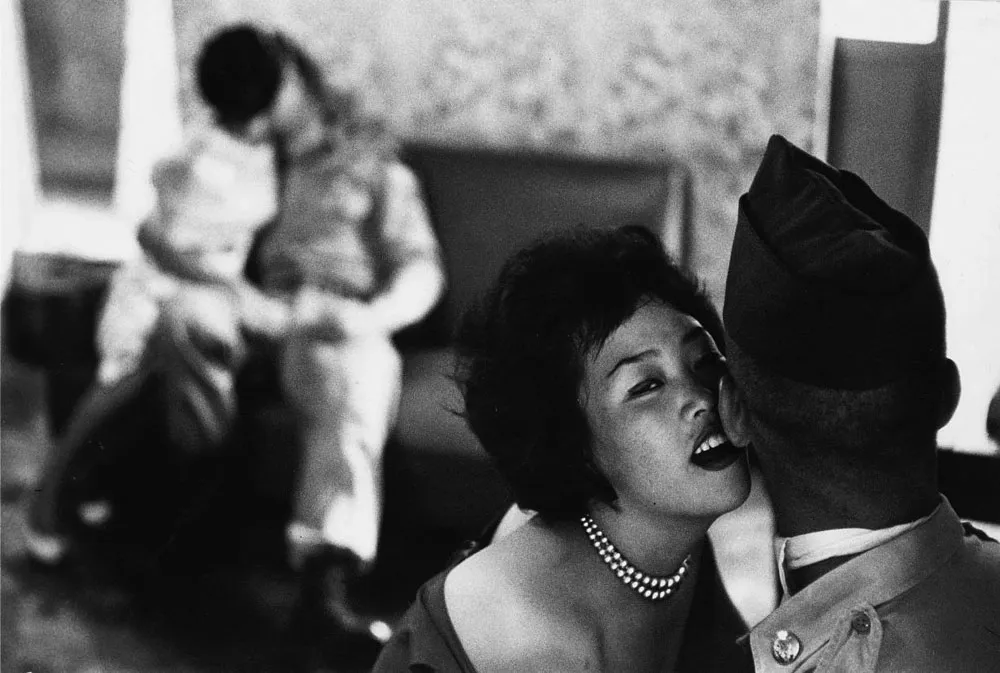
Wedding Reportage.
If reading this far, but especially looking (and I hope re-looking) at some of these photos has stirred something between your heart and stomach, we can move on.
The most common meaning given today to wedding reportage is that of “the story of the wedding day”. A set of photos that speak of the wedding day, too often without taking into consideration elements such as spontaneity, the non-invasiveness of the photographer and his detachment from the events.
Since couples rebelled against the impositions put into action by despotic photographers of the past, who managed the entire posture and actions of the unfortunate bride and groom throughout the happy day, and began to ask for spontaneity, discretion, “no poses” and a muzzle for photographers… immediately, for obvious commercial reasons, the aforementioned despots began to disguise themselves as reportage photographers.
The “reportage style” appeared in large letters in the dusty windows of the ancient shops and began to belong to everyone’s mouth, without knowing how to honor its meaning or, worse, knowingly stabbing it in the back. Some even won contests by staging constructed situations, passed off as spontaneous and calling them reportage. In a chaotic jungle of appearances, couples found themselves naively choosing old despots cleverly disguised as modern reporters! What then happened on the wedding day is too vile to narrate and we will not dwell on horrible anecdotes.
The documentary nature of reportage.
The term reportage thus passed from journalism to the wedding field, losing the most important thing: the nature of document. Being a gaze upon the events rather than being their directors. In one word: honesty.
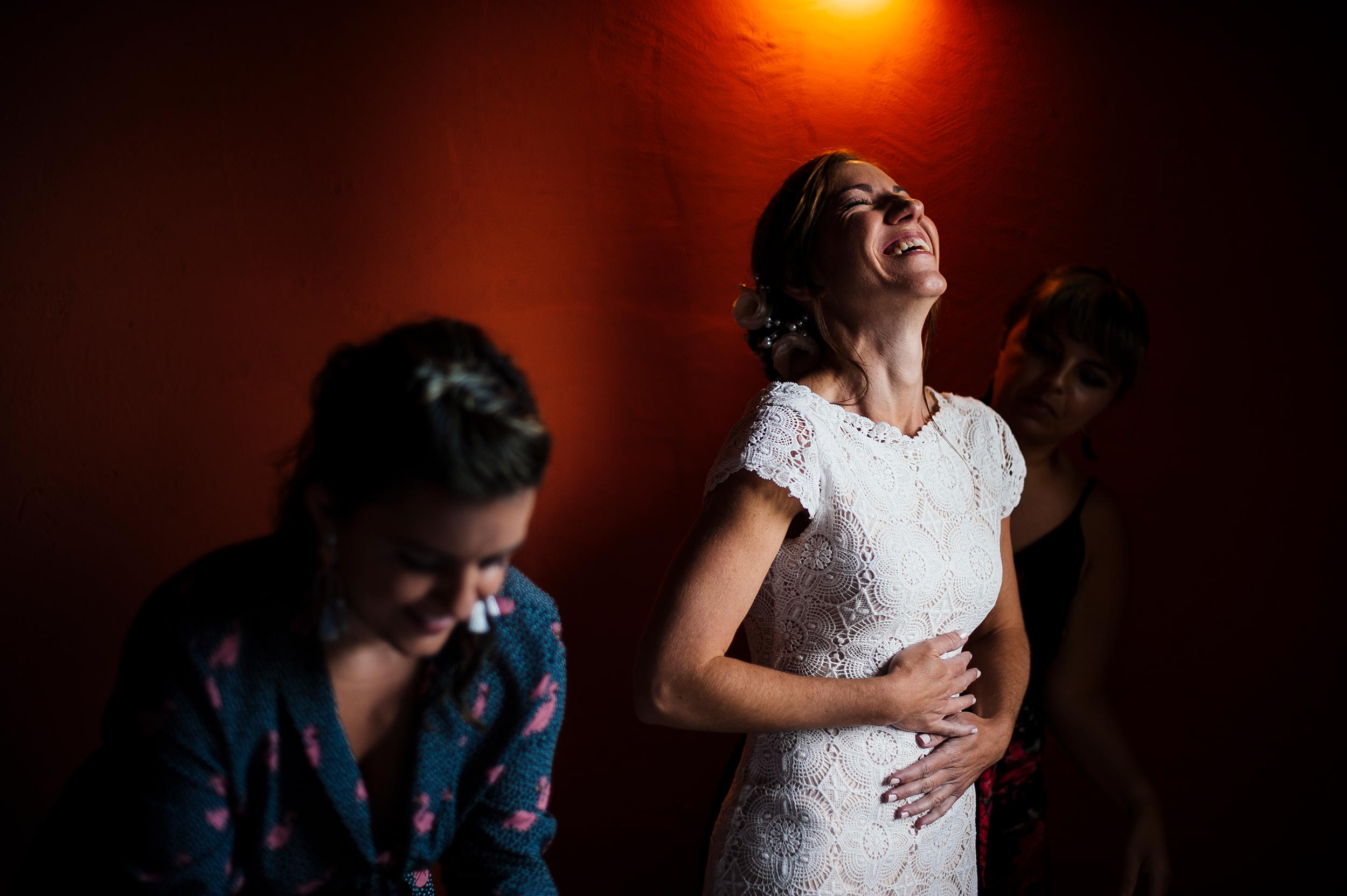
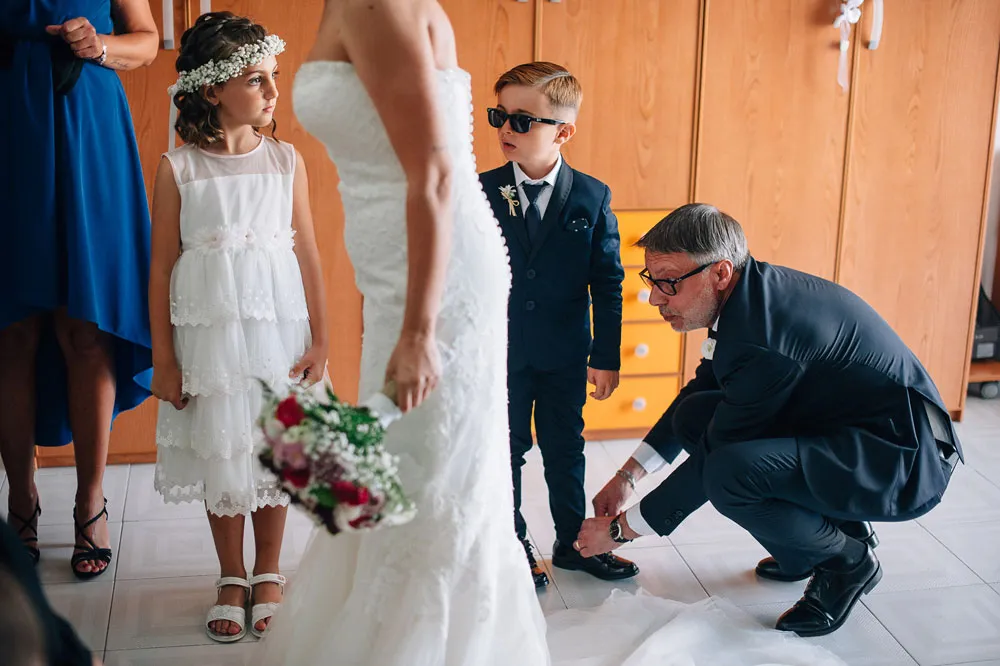
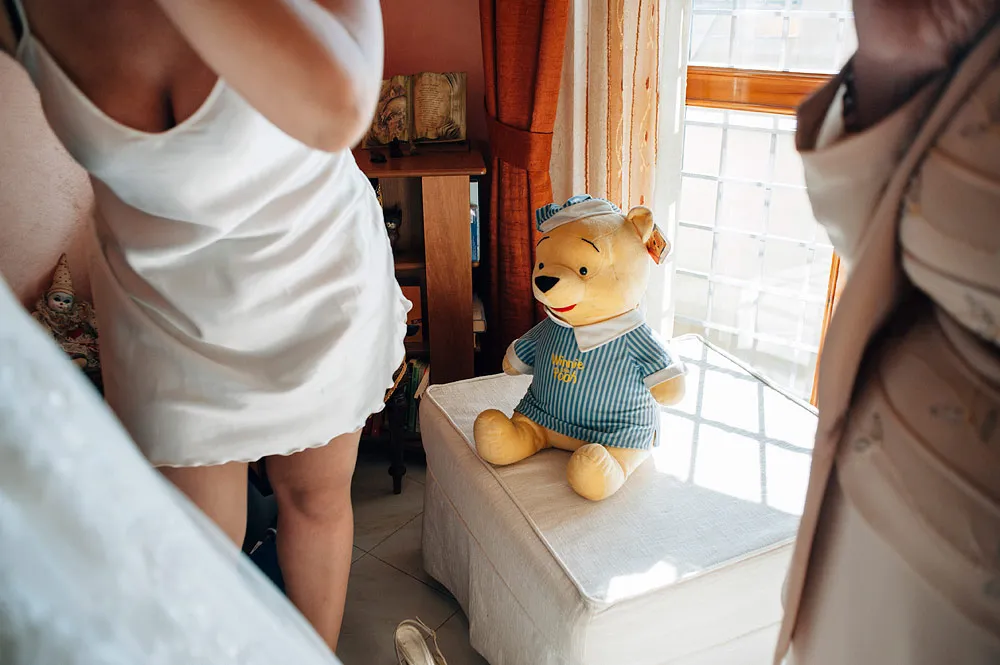
This preamble to say: true wedding reportage is not a style, it is not a stylistic device, but it is reportage and that’s it! Photography of an event. Photojournalism of Weddings. The true “reportage style” Wedding photographer is the one who, if you are found already made up when he arrives at your home, doesn’t ask you to re-do the makeup for pretend! He doesn’t ask you to repeat a smile you made, a look, a gesture. He never says “I’ll give you the go”. He doesn’t intervene in what happens, but values chance. Does it remind you of something?
Putting the pieces together.
If to do good reportage all you need is an honest approach, proper discretion, and being sufficiently lucid (because what happens does so quickly and doesn’t repeat), applying the type of research we talked about above (street) to wedding photography requires something more.
Beyond the technical side, which is under everyone’s eyes (tools and grammar), the search for visual assonances, for multiple subjects, for a scene structure that is layered, complex, interacting, requires instead a change of vision, a change of perception of the ongoing event. It requires that observation becomes, from passive (event -> observer), necessarily active, because oriented to relating subjects to each other, environment included.
Are you interested in the topic Street Photography & Wedding Reportage? Let me know by email: alessandroavenali@gmail.com